


Views: 0 Author: Site Editor Publish Time: 2026-07-22 Origin: Site


Replacing degraded pans every year is a recurring frustration for many cooks. The market is saturated with confusing claims about "non-toxic," "green," and "diamond-infused" surfaces. Consumers constantly struggle to balance effortless food release with safety, longevity, and reliable cooking performance. Misunderstanding the thermal and physical limits of different materials often leads to premature pan failure. It also fuels unnecessary health anxieties regarding cooking surfaces.
You need an evidence-based breakdown of modern surface technologies to make informed decisions. We must strip away the marketing fluff to objectively evaluate material science, heat tolerances, and practical lifespans. Understanding how a Non-Stick Coating reacts to daily kitchen stress prevents ruined meals and wasted money. This guide provides the technical knowledge required to evaluate your options and select the right tool for your specific cooking habits.
The slickest surfaces in the culinary world are often the softest. This fundamental material reality explains why highly effective non-stick pans are prone to mechanical wear. Manufacturers must balance the friction coefficient with scratch resistance. A surface that repels water and oil perfectly usually lacks the molecular hardness to withstand metal spatulas. You cannot have absolute permanent durability alongside zero-friction food release. Understanding this trade-off sets realistic expectations for your kitchen equipment.
Evaluating the friction coefficient reveals how different materials perform under stress. Synthetic polymers offer the lowest friction available. However, their soft structure requires careful handling. Harder materials resist scratches better but require more cooking fat to prevent sticking. You must decide whether effortless flipping or rigorous scrubbing matters more for your daily cooking routine. We see this constantly in commercial kitchens where chefs keep dedicated egg pans separate from general sauté pans.
To better understand this dynamic, consider the physical properties of the materials involved. When a spatula scrapes across a pan, it applies concentrated force to a microscopic area. If the surface material yields before the spatula does, you get a scratch. This is why adding hard particles like titanium or diamond dust helps. These particles act like microscopic boulders, deflecting the spatula and protecting the softer polymer matrix surrounding them.
Here is a breakdown of common surface hardness levels:
The underlying core material drastically impacts the surface temperature of your pan. Aluminum conducts heat rapidly and evenly. Stainless steel retains heat longer but heats up slower. The core dictates how quickly the surface reaches its thermal limit. A highly conductive base prevents localized hot spots that can scorch and destroy the surface layer. Proper heat distribution is essential for maintaining surface integrity over time.
Defining operational temperature ceilings ensures safe and effective cooking. Most synthetic surfaces degrade rapidly above 500°F (260°C). Exceeding these limits breaks down the chemical bonds, ruining the slick finish. You must match your burner settings to the specific thermal tolerance of your chosen pan. Low to medium heat is the strict operational boundary for these tools.
When you place a thin aluminum pan on a high-output gas burner, the flames heat the outer edges much faster than the center. This creates a temperature gradient. The surface layer expands at different rates, causing immense physical stress. Over time, this stress leads to microscopic tearing and eventual delamination. Thick bases mitigate this by absorbing and spreading the thermal energy before it reaches the cooking surface.
Demystifying industry acronyms is necessary for safe cooking. PTFE is the actual polymer providing the slick surface. PFOA and PFAS are chemical compounds historically used in manufacturing. Modern regulations have largely eliminated PFOA from food-contact materials. Understanding these distinctions helps you navigate confusing safety labels. You can confidently evaluate products when you know exactly what these acronyms represent.
Current regulatory standards dictate strict compliance for food-contact materials. The "PFOA-free" label is now a standard baseline, not a premium feature. Modern manufacturing utilizes alternative processes to ensure chemical stability at normal cooking temperatures. Always verify that your chosen product meets current regional safety regulations.
Addressing hidden risks requires looking past "toxin-free" marketing. Some low-end ceramic options use cheap pigment glazes that may contain heavy metals like lead or cadmium. Always demand transparency regarding the specific materials used in the manufacturing process. Reputable brands provide clear documentation of their safety testing and material composition.
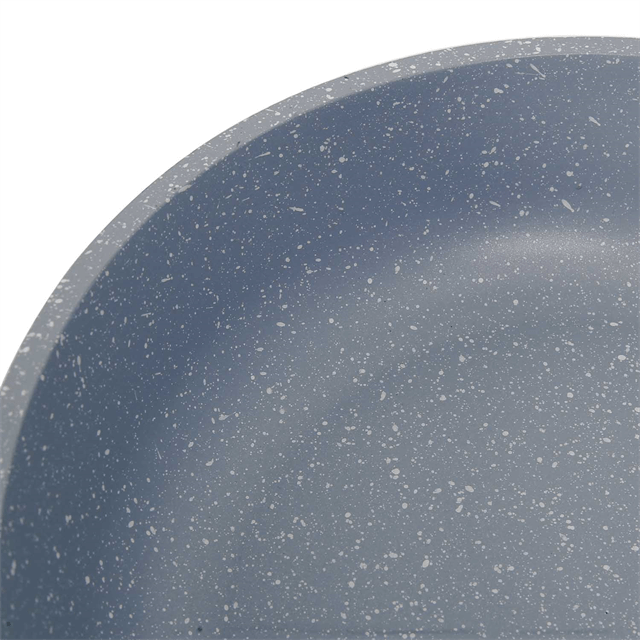
Synthetic fluoropolymers create a nearly frictionless, hydrophobic surface. This mechanism of action relies on strong carbon-fluorine bonds that resist interaction with food molecules. The resulting surface repels both water and fats effortlessly. This chemical structure makes it the undisputed champion of food release. It remains the professional standard for delicate culinary tasks.
Performance realities dictate specific use cases. You get superior release for delicate proteins like eggs and flaky fish. However, the surface is highly vulnerable to metal utensils and abrasive sponges. Scratches compromise the integrity of the layer, leading to peeling and sticking. Careful maintenance is mandatory to preserve the slick finish.
Objective safety analysis requires understanding thermal degradation. At 500°F (260°C), the polymer begins to break down. Dry-heating an empty pan accelerates this process dangerously. Off-gassing risks only occur when these strict temperature thresholds are violated. Responsible temperature management completely mitigates these concerns.
To maximize the lifespan of a PTFE pan, follow these operational steps:
Sol-gel technology utilizes silicone-based derivatives derived from sand or silica. These materials are cured into a slick, hard finish without using fluoropolymers. This mechanism appeals to consumers seeking alternative material compositions. The resulting surface feels glass-like and rigid. It offers a distinctly different cooking experience compared to traditional polymers.
A proper PTFE ceramic comparison reveals distinct performance realities. Ceramic handles higher heat without off-gassing risks. However, its rigid structure is highly prone to micro-fractures. These microscopic cracks trap food particles over time. This leads to a significantly faster loss of non-stick properties compared to traditional options.
We must scrutinize "green" and "non-toxic" marketing claims. While free of fluoropolymers, the rapid degradation curve is a documented reality in long-term testing. Replacing pans more frequently negates many perceived environmental benefits. You must weigh the initial chemical composition against the practical lifespan of the product.
| Feature | PTFE (Traditional) | Sol-Gel (Ceramic) |
|---|---|---|
| Food Release | Excellent, long-lasting | Good initially, degrades faster |
| Heat Tolerance | Up to 500°F (260°C) | Higher, up to 600°F+ |
| Durability | Vulnerable to scratching | Vulnerable to micro-fractures |
| Maintenance | Requires soft utensils | Requires careful temperature control |
Electrochemical processes harden the underlying aluminum base. This prevents warping and provides a rigid foundation for the surface layer. A stable base prevents the flexing that causes surface delamination. Hard-anodized pans offer superior structural integrity compared to stamped aluminum. This process significantly extends the usable life of the pan.
Evaluating hex-patterned and diamond-infused hybrid designs requires skepticism. These designs feature exposed metal ridges meant to protect the non-stick valleys. While they resist metal utensils better, the exposed metal inherently reduces the overall non-stick capability. You sacrifice some food release for increased mechanical durability. They are a compromise, not a perfect solution.
When inspecting a hybrid pan, look closely at the ratio of exposed metal to non-stick valleys. If the metal ridges are too wide, food will stick to them aggressively. If the valleys are too shallow, the spatula will still scrape the polymer out. The engineering tolerances here are extremely tight, and many budget brands fail to get the balance right.
The application process dictates wear resistance. Single-ply applications wear out quickly under daily use. Double and triple-ply applications build a thicker, more resilient barrier. Multiple layers ensure that minor surface scratches do not expose the bare metal underneath. Investing in multi-layered construction is essential for longevity.
Physical reinforcements play a crucial role in preventing deep scratches. Manufacturers often infuse titanium, granite, or diamond dust into the polymer matrix. These hard particles act as a structural scaffold. They absorb mechanical impact from spatulas and cleaning tools. This reinforcement significantly improves the overall durability of the pan.
You can often identify a multi-layer application by examining the rim of the pan. Cheaper single-layer pans will have a sharp cutoff where the spray ended. High-quality multi-layer pans often have the surface material rolled over the edge, providing continuous protection and preventing moisture from creeping under the edge during washing.
Task-specific selection prevents ruined equipment. Reserve traditional polymer surfaces for delicate, low-heat tasks like cooking eggs or pancakes. Utilize ceramic or hybrid options for moderate-heat tasks where slightly higher temperatures are needed. Never use these pans for aggressive searing. Matching the tool to the task is the secret to kitchen efficiency.
High-heat searing requires different equipment entirely. Uncoated carbon steel or cast iron are the correct tools for achieving a hard crust on a steak. These materials thrive under intense thermal stress. Using a delicate surface for high-heat searing guarantees rapid degradation. Protect your investment by using appropriate materials for high-temperature techniques.
Induction readiness requires specific base materials. Ensure the pan has a magnetic steel base if you use an induction cooktop. Aluminum alone will not work on magnetic induction elements. Always verify compatibility before purchasing to avoid frustration. A proper magnetic base ensures rapid and efficient energy transfer.
Base thickness directly prevents hot spots. Thin pans heat unevenly, causing localized thermal spikes. These spikes degrade the surface layer in specific areas, ruining the pan. A thick, heavy base absorbs and distributes thermal energy evenly. This protects the surface and ensures consistent cooking results.
Structural heat distribution matters greatly. Clad construction or impact-bonded disc bases prevent the localized thermal spikes that prematurely destroy your cookware coating. Even heat distribution is the primary defense against thermal degradation. Invest in solid base construction to maximize the lifespan of your equipment.
Rivet design impacts both hygiene and longevity. Exposed metal rivets trap grease and food particles, making cleaning difficult. Scrubbing around rivets often leads to localized peeling. Flush-riveted or rivetless interiors preserve surface integrity and simplify maintenance. Smooth interiors are a hallmark of thoughtful pan design.
Handle ergonomics and materials impact overall usability. Stay-cool hollow stainless steel handles allow for safe stovetop handling and higher oven-safe temperature limits. Silicone-wrapped or plastic handles restrict oven use and can degrade over time. Proper handle construction ensures perfect weight balance and secure maneuvering during cooking.
You must accept the finite lifespan of these specific kitchen tools. Unlike generational materials such as stainless steel or cast iron, slick surfaces degrade. A typical lifespan ranges from one to five years, depending on usage frequency and care. Acknowledging this reality prevents disappointment. Treat these pans as consumable items rather than permanent kitchen fixtures.
Evaluating long-term economic impact requires realistic planning. Buying a new pan every few years adds up. You must balance the upfront purchase price against the expected lifespan. Sometimes, a mid-tier pan replaced every three years makes more economic sense than a luxury pan that still inevitably degrades. Smart purchasing requires calculating these recurring replacement cycles.
Many beginners seek a truly long-term alternative. Seasoned cast iron and carbon steel offer a renewable path. These materials require more maintenance initially but can last generations. They bridge the gap between durability and food release. They are the traditional answer to the modern disposable pan dilemma.
Polymerizing oil creates a natural, self-healing surface. When heated, cooking fats bond to the metal, forming a slick, non-toxic layer. If this layer scratches, you simply re-season it. This bypasses the synthetic lifespan issue entirely. Mastering seasoning techniques provides a permanent, renewable solution for your kitchen.
Overspending on luxury non-stick pans yields diminishing returns. A high-end pan will not last five times longer than a budget pan. The chemical limits of the surface remain the same regardless of the brand name. Spending excessive amounts on a consumable item is rarely a wise investment. Focus on solid construction rather than luxury branding.
Strategic budget allocation improves your overall kitchen setup. Invest heavily in core clad stainless cookware for boiling, braising, and heavy searing. Treat your slick skillets as recurring, mid-tier operational expenses. This balanced approach ensures you have high-quality permanent tools while maintaining functional, affordable pans for delicate tasks.
Rapid temperature changes cause severe physical damage. Running a hot pan under cold water induces thermal shock. The metal warps, and the surface layer delaminates and peels away. Always allow your cookware to cool completely at room temperature before washing. Patience during cleanup preserves your equipment.
Dry-heating accelerates degradation rapidly. Heating a pan without oil or food causes the surface temperature to spike uncontrollably. Always add a small amount of fat before applying heat. Monitor surface temperatures carefully, and never leave an empty pan on an active burner. Vigilance prevents accidental overheating.
Manufacturer claims of "dishwasher safe" should be treated with extreme skepticism. Harsh dishwasher detergents and high-pressure hot water degrade the surface rapidly. Hand washing is strictly required for maximum longevity. Use only soft sponges and mild dish soap. Aggressive scrubbing destroys the very finish you are trying to clean.
Strict utensil discipline is mandatory. Claims of "metal utensil safe" often lead to premature failure. Always use silicone, wood, or heat-resistant plastic spatulas. Never cut food directly inside the pan. Protecting the surface from mechanical abrasion is the single most effective way to extend your coating selection lifespan.
A: No. Aerosol cooking sprays contain propellants and emulsifiers like soy lecithin. These additives burn at low temperatures and leave a sticky residue that ruins the slick surface. Always use pure liquid oils or butter.
A: Replace the pan when food consistently sticks despite using oil, or when you observe visible peeling, deep scratches exposing bare metal, or severe warping of the base.
A: A heavier pan usually indicates a thicker base. A thick base prevents hot spots and warping, which indirectly protects the surface from localized thermal degradation, extending its lifespan.
A: Minor surface scratches that do not expose the underlying metal are generally safe but will reduce non-stick performance. If the coating is actively flaking into your food, discard the pan immediately.
A: Ceramic surfaces are rigid and prone to microscopic fractures. Over time, these invisible micro-abrasions trap polymerized oils and food proteins, significantly reducing the pan's ability to release food.

Which Spray Parameters Matter for Sprinkled Non Stick Coating?

How Does Double Layer Coating Improve Primer and Topcoat Bonding?

How Can Frying Pan Coating Improve Coverage Around Curved Edges?

Nano Ceramic Coating Process for Electric Iron Soleplates

How Can Three Layer Coating Handle Thermal Cycling on Stainless Steel?

How Can Rice Cooker Inner Pot Coating Improve Rice Release?

How Can Aluminum Cookware Avoid Distortion During Coating Curing?

How Should Curing Temperature Be Set for Nano Ceramic Coating?

Which Formulation Factors Affect Non Stick Coating Scratch Resistance?

How Should Air Fryer Coating Be Tested for Oil and Cleaning Resistance?

