


Views: 0 Author: Site Editor Publish Time: 2026-10-08 Origin: Site


Tired of scraping sticky, burnt rice from the bottom of your pan? That stubborn crust ruins meals. It also wastes perfectly good food. When heated with water, rice starch acts remarkably like industrial glue. This natural chemical reaction makes cooking grains a frustrating chore without the right equipment. As surface engineers, we see this problem daily. Fortunately, modern surface engineering has solved this culinary headache. In this technical guide, we will dive deep into the technology behind these non-stick surfaces. You will learn about the physics of starch adhesion. We will also compare various material types, address safety concerns, and establish proper care protocols to extend your equipment's lifespan.
Effortless Rice Release: Advanced hydrophobic finishes prevent expanded grains from bonding to porous metal.
Health & Innovation: The industry is rapidly shifting toward safer, eco-friendly alternatives.
Longevity is Key: A robust surface prevents premature flaking and scratching.
Proper Maintenance: Simple habits double the lifespan of your appliance.
Before diving into the mechanics, let us look at where the cookware market is heading. Recent industry analyses reveal a massive transformation in surface engineering. Regulatory pressures from environmental agencies worldwide are driving manufacturers away from legacy synthetic polymers. The market now heavily favors eco-friendly, PFAS-free innovations.
We are witnessing a rapid phase-out of traditional solvent-based formulas. Advanced ceramic and silicone-derived technologies are setting a new benchmark. These modern formulations prioritize both culinary performance and environmental safety. Consequently, consumers gain access to healthier, highly durable appliances that do not compromise on non-stick capabilities.
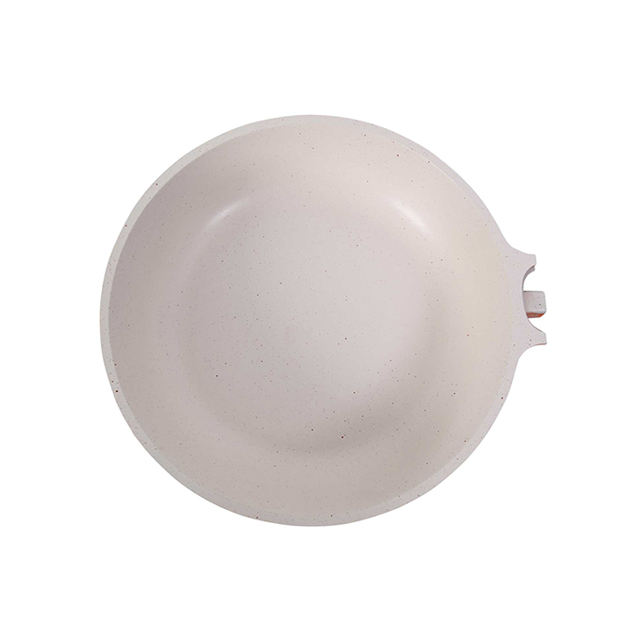
To fully grasp the necessity of a specialized surface, we must examine the physics of cooking grains. The sticking phenomenon is not a failure of the chef. It is a natural chemical reaction. This occurs when carbohydrates meet thermal energy and moisture.
Rice grains are composed primarily of amylose and amylopectin starches. Picture a raw grain submerged in water. As the internal temperature climbs past 60 degrees Celsius, these hard granules absorb moisture rapidly. They swell significantly. Eventually, they burst open and release a highly viscous substance into the bubbling water.
This structural breakdown is known as starch gelatinization. If this sticky byproduct contacts untreated metal, it seeps into microscopic crevices. As moisture evaporates, the starch acts as a powerful adhesive. It permanently cements the bottom layer of your meal to the pot.
This is exactly where a premium rice cooker inner pot coating becomes essential. An engineered finish fills the microscopic pores of the underlying aluminum. It establishes an ultra-smooth, frictionless barrier. Designed as a robust two-layer or three-layer system, these finishes provide exceptional gloss and wear resistance.
Modern materials are highly hydrophobic. The surface repels water. Therefore, the starchy grains cannot find a physical anchor point. The starch remains contained within the rice mass. When the cooking process finishes, the entire batch slides out effortlessly.
Consumers today have access to a variety of material technologies. Understanding their differences is crucial for an informed purchase.
Polytetrafluoroethylene served as the industry standard for decades. It offers an exceptionally low coefficient of friction. This translates to outstanding food release. However, these traditional finishes face mounting scrutiny. While safe under normal boiling temperatures, older formulations can degrade under extreme dry heat. Many buyers now seek alternatives due to concerns about high-heat stability.
To combat durability limitations, engineers introduced ceramic alternatives. These surfaces are created using a sol-gel process. They derive a hard, glossy finish from inorganic silica. Furthermore, premium manufacturers often infuse their formulas with microscopic diamond dust or titanium particles. These hard-wearing additives significantly increase surface tension and scratch resistance. They also improve thermal conductivity for perfectly uniform rice.
Perhaps the most significant advancement is the development of non-toxic alternatives. A high-quality water based fluorine-free coating represents the modern standard. Unlike legacy solvent-based formulas, this technology utilizes water as the primary carrier. This drastically reduces volatile organic compound emissions.
From an engineering standpoint, these finishes deliver impressive specifications. They offer temperature resistance up to 400 degrees Celsius and a pencil hardness of 3H to 4H. Most importantly, they completely eliminate PFAS and PTFE. Relying on advanced silicone blends, they deliver frictionless release without bringing controversial chemicals into your kitchen ecosystem.
Buyers frequently debate traditional metals versus modern engineered surfaces. Making the right decision requires looking at thermal dynamics.
Uncoated stainless steel is praised for its raw durability. It resists rust and physical impact. For users who prioritize absolute longevity, bare steel offers permanence. You can aggressively wield metal utensils and scrub it with abrasive pads.
Despite its rugged nature, stainless steel possesses a glaring mechanical flaw for grains. Metal is microscopically porous. When gelatinized starch expands, it aggressively grips these crevices. Imagine standing at the sink, vigorously scrubbing with a steel wool pad while a crusty layer refuses to budge. Without a specialized barrier, food wastes are inevitable.
For everyday practicality and zero food waste, a vessel equipped with a durable cookware non stick coating is objectively superior. Single-layer systems cured at 280 degrees Celsius provide excellent adhesion to aluminum substrates. While stainless steel reigns supreme for boiling acidic soups, the glue-like chemistry of rice demands a hydrophobic barrier.
Feature | Uncoated Stainless Steel | Engineered Coated Pot |
|---|---|---|
Rice Release Quality | Poor — High starch adhesion | Excellent — Frictionless release |
Cleaning Effort | High — Requires soaking and scrubbing | Low — Simple wipe with a soft sponge |
Utensil Compatibility | All utensils including metal | Wood, silicone, or plastic only |
Food Waste | Moderate to High | Near Zero |
A common question is whether raw grains can be washed directly inside the cooking vessel. Understanding the physical properties of raw ingredients is vital.
Raw rice grains are incredibly dense and crystalline. When you dump dry grains into the pot and swirl them, the friction mimics mild sandpaper. Over time, this repetitive abrasive action creates microscopic fissures. Months of this daily habit will gradually wear down the hydrophobic barrier. This leads to localized sticking and burnt spots.
The safest protocol is to wash ingredients externally. Using a separate plastic colander to rinse your grains eliminates mechanical friction entirely. This simple behavioral adjustment protects the surface integrity.
Consumer anxiety regarding scratched kitchenware is prevalent. It is important to approach this with empirical data.
The most common fear is the accidental ingestion of flaked materials. Standard approved polymers are chemically inert. If a microscopic flake is ingested, it does not react with stomach acid. It passes through the body harmlessly. However, minor scratches severely compromise functionality by creating anchor points for starch.
A quick visual inspection determines vessel health. Superficial hairline scratches are generally acceptable. Conversely, if the finish is actively peeling or the underlying aluminum core is exposed, the pot has reached the end of its operational life. Food will scorch onto the bare metal. Replacement is highly recommended.
The longevity of your appliance directly correlates to daily handling. Implementing a strict maintenance protocol maximizes your investment.
The golden rule is the strict prohibition of metal utensils. Forks and steel spoons will immediately gouge the protective layer. Always use the textured plastic paddle bundled with the machine. Heat-resistant silicone spatulas are also excellent choices.
Thermal shock is a leading cause of surface failure. Plunging a sizzling hot pot into ice-cold water forces the metal core and the surface layer to contract at different rates. This differential contraction causes the finish to warp or detach. Always allow the vessel to cool naturally.
When washing, use warm water, mild dish soap, and a soft microfiber cloth. Starch cannot bond to the hydrophobic layer. A gentle wipe is entirely sufficient. Strictly avoid abrasive scouring powders.
Accidental damage frequently occurs during storage. Many users mistakenly treat the empty pot as a storage bin. Stacking ceramic bowls or metal cutlery inside can easily scratch the interior. The vessel should always be stored empty and dry.
Ultimately, the secret to perfectly fluffy meals lies entirely in the quality of the inner pot. Modern innovations offer safe, eco-friendly cooking solutions. You no longer have to choose between convenience and health. Take a moment to inspect your current equipment for deep scratches. If it is time for an upgrade, prioritize advanced, PFAS-free technologies. For industry-leading surface solutions, explore the high-performance formulations at FLD Coating to ensure your kitchenware operates flawlessly for years to come.
No, attempting to repair a scratched surface at home is highly discouraged. Do-it-yourself repair sprays are generally not rated for direct food contact and can pose severe health risks. Once the factory-applied finish is compromised, its structural integrity cannot be safely restored. Purchasing an official replacement pot is the only way to ensure food safety.
It is an advanced, environmentally friendly non-stick finish designed to replace traditional synthetic polymers. Instead of relying on harsh chemical solvents, it uses water as the primary carrier. Most importantly, it is manufactured entirely without the use of PFAS or PTFE. This technology relies on specialized silicone structures to create a slick, hydrophobic barrier.
The lifespan depends heavily on user habits. With strict adherence to proper care guidelines—such as using silicone utensils and washing grains in a separate bowl—a premium finish can easily last three to five years. Conversely, if subjected to metal utensils or frequent thermal shock, the properties can degrade in a matter of months.
No, a high-quality factory finish will not alter the flavor or nutritional profile of your food. These engineered surfaces are scientifically designed to be chemically inert. They do not react with water or complex starches. They simply act as a physical barrier.
Traditional PTFE-based finishes are highly stable under normal cooking conditions. However, if an empty pot is left on a high-heat source, temperatures can rapidly exceed 260 degrees Celsius. At this extreme thermal threshold, older synthetic polymers can begin to break down and release fumes. This is why modern water-based and ceramic alternatives are gaining immense popularity.
To ensure your equipment is free of forever chemicals, check the manufacturer specifications carefully. Look for explicit labels stating "PFAS-free", "PFOA-free", and "PTFE-free". Products utilizing sol-gel ceramics or advanced silicone-based waterborne technologies naturally fall into this safe category. Additionally, verify that the materials comply with global standards like REACH or FDA guidelines.

Which Spray Parameters Matter for Sprinkled Non Stick Coating?

How Does Double Layer Coating Improve Primer and Topcoat Bonding?

How Can Frying Pan Coating Improve Coverage Around Curved Edges?

Nano Ceramic Coating Process for Electric Iron Soleplates

How Can Three Layer Coating Handle Thermal Cycling on Stainless Steel?

How Can Rice Cooker Inner Pot Coating Improve Rice Release?

How Can Aluminum Cookware Avoid Distortion During Coating Curing?

How Should Curing Temperature Be Set for Nano Ceramic Coating?

Which Formulation Factors Affect Non Stick Coating Scratch Resistance?

How Should Air Fryer Coating Be Tested for Oil and Cleaning Resistance?

