


Views: 0 Author: Site Editor Publish Time: 2026-06-03 Origin: Site


Choosing the right surface technology often dictates whether a product succeeds on the stove or fails prematurely. Product developers face a critical decision. You must balance production economics, baseline release performance, and intended product lifespan. A single-layer non-stick coating offers distinct manufacturing efficiencies. Single-layer coatings are widely utilized for cost-efficiency across multiple product categories. However, they demand precise substrate matching. You also need realistic performance expectations to avoid premature failure.
This article provides a technical, evidence-based framework. We aim to help you evaluate when and how to specify single-layer solutions over multi-layer alternatives. You will understand the underlying mechanics of these surface technologies. We will explore key evaluation dimensions. Finally, you will learn practical strategies for matching these formulations to specific kitchenware applications.
Single-layer systems combine primer and topcoat functions, reducing application complexity but requiring rigorous substrate preparation.
Choosing between single-layer PTFE and ceramic (sol-gel) depends entirely on peak temperature requirements and abrasion expectations.
A single-layer non-stick coating is optimal for low-friction, moderate-heat applications (e.g., bakeware, specific egg pans) rather than heavy-duty, high-abrasion cookware.
Success criteria hinge on evaluating substrate adhesion, curing temperatures, and verified regulatory compliance (e.g., PFAS-free standards where applicable).
Understanding the mechanical differences between coating structures is vital. A standard two-coat or three-coat system separates distinct functions into separate layers. The primer bonds to the bare metal substrate. A mid-coat adds abrasion resistance. The top-coat delivers pure release properties. Conversely, a single-layer system combines these functions. It operates as a one-coat solution applied directly to the bare substrate. Manufacturers blend binder resins and fluoropolymers or ceramic precursors into one formulation. During the curing process, these materials separate. The binders sink to grip the metal. The release agents rise to form a smooth surface.
Single-layer applications prove strategically sound under specific conditions. Not every pan requires a multi-layer armor. High-volume commercial bakeware benefits immensely from one-coat solutions. Commercial bakeries prioritize easy sugar release over metal utensil resistance. Entry-level consumer lines also utilize these systems effectively. They provide excellent out-of-box performance for budget-conscious buyers. Furthermore, low-abrasion specialty items are perfect candidates. Examples include electric griddles, pie tins, and waffle makers. These items rarely see metal spatulas.
Adopting a single coat significantly alters production economics. You reduce manufacturing time immediately. One-coat systems require only a single pass through the spray booth. They require only one curing cycle. This efficiency lowers energy consumption and speeds up production lines. However, you must map this efficiency against the expected reduction in overall abrasive lifespan. Single layers lack a dedicated reinforcing mid-coat. Therefore, their mechanical durability is inherently lower than three-coat systems. You must decide if your target consumer values initial affordability over legacy durability.
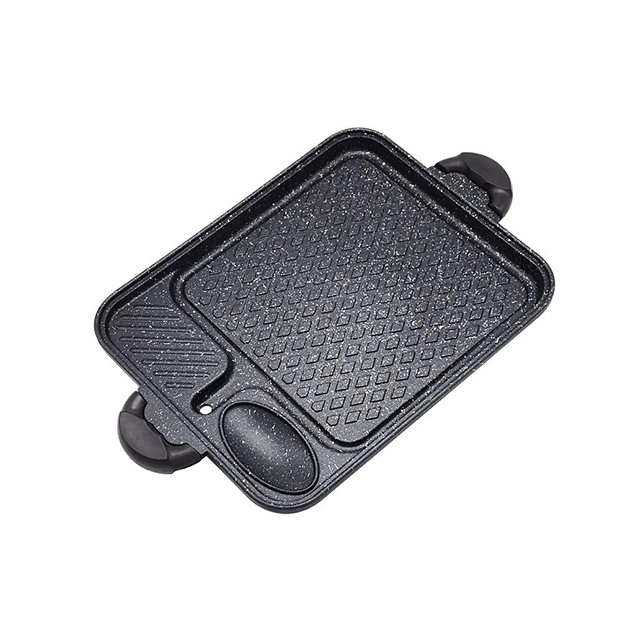
Mechanism: A single-layer PTFE relies on specialized resin blends. These resins bond directly to the metal substrate. During the baking cycle, a process called stratification occurs. The fluoropolymers separate from the heavier binder resins. The fluoropolymers float to the top. The resins cure against the roughened metal. This creates a unified film.
Best For: This formulation offers superior release properties. It handles consistent low-heat cooking perfectly. You will also see high chemical resistance against acidic foods. It remains the dominant choice for basic baking sheets and dedicated egg skillets.
Mechanism: Sol-gel technology uses silicon-based inorganic compounds. Manufacturers apply this liquid mixture to the substrate. Heat triggers a condensation reaction. The liquid cures into a hard, glossy, glass-like finish. It does not stratify like PTFE. Instead, it forms a dense, cross-linked matrix.
Best For: Ceramic excels in applications requiring a highly heat resistant surface. It tolerates thermal spikes much better than polymers. It also allows for vibrant color customization. Brands often use it to position products in the "toxin-free" marketing tier.
Silicone glazes represent a specialized third category. Commercial baking facilities use them almost exclusively. They provide incredible release for high-sugar doughs. However, they degrade quickly. Bakeries must re-glaze these pans frequently. They are rarely used for consumer stovetop goods.
Feature | PTFE Single-Layer | Ceramic (Sol-Gel) Single-Layer | Silicone Glaze |
|---|---|---|---|
Curing Mechanism | Stratification & Polymerization | Condensation Reaction | Thermal Cross-linking |
Peak Thermal Limit | Up to 260°C (500°F) | Up to 400°C (750°F) | Up to 250°C (482°F) |
Primary Application | Consumer bakeware, egg pans | Colorful entry-level fry pans | Industrial bakery trays |
Release Longevity | Moderate to High | Low to Moderate (fades over time) | High (requires recoating) |
Substrate preparation dictates 80% of a cookware coating success rate. Single layers do not have an aggressive dedicated primer. They rely heavily on mechanical anchoring. You must roughen the metal surface adequately. Grit blasting is standard practice. It creates microscopic peaks and valleys. Chemical etching serves as an alternative for softer metals. Bonding differences between metals are severe. Aluminum accepts single layers easily due to its porosity and softness. Carbon steel requires strict rust-prevention immediately after blasting. Stainless steel proves highly difficult. Its smooth, hard nature resists mechanical anchoring.
Evaluating continuous operational heat versus peak thermal spikes is crucial. Continuous heat represents normal baking at 180°C (350°F). Peak spikes occur during an empty pan preheat. PTFE degrades rapidly above 260°C. Sol-gel ceramic handles 400°C spikes without melting. However, you must assess the limits of heat resistance claims. Extreme heat causes ceramic embrittlement. The glass-like structure loses microscopic release oils. It becomes sticky long before it actually melts.
Marketing often focuses on the "out-of-box" experience. Ceramic single coats provide incredible initial sizzle. Eggs slide effortlessly during the first ten uses. However, you must differentiate this from verifiable lifecycle data. Polymer-based single layers generally maintain their release properties longer under proper care. The surface energy of PTFE remains stable until physically scratched away.
Compliance is non-negotiable. You must navigate FDA guidelines for food contact surfaces. In Europe, LFGB standards enforce stricter heavy metal limits. Furthermore, evolving regional PFAS restrictions complicate polymer selection. Modern single-layer polymers now utilize formulations free from PFOA and PFOS. Verifying these certifications ensures market access and protects consumer trust.
Always request Ra (roughness average) specifications from your substrate supplier.
Conduct thermal shock tests by heating pans and plunging them into cold water.
Demand third-party laboratory verification for PFAS-free claims.
Skipping the degreasing stage before grit blasting.
Assuming a thicker film will improve single-layer adhesion.
Using stainless steel substrates without specialized chemical etching.
Transparency is essential here. Single-layer options lack mid-coat reinforcement. Multi-coat systems use hard minerals in the mid-coat to deflect metal utensils. A single coat leaves the substrate vulnerable. When a fork scratches the surface, it penetrates straight to the bare metal. This causes immediate vulnerability. You cannot market a single-layer pan as "metal utensil safe." Doing so guarantees premature failure.
Manufacturing a single coat carries specific risks. Uneven film thickness destroys performance. If you apply a ceramic formulation too thickly, mud-cracking occurs. The rigid structure splits as it dries. Conversely, if you apply PTFE too thin, the binder resin cannot form a continuous film. This leads to delamination. Improper curing temperatures also ruin batches. If the oven is too cold, stratification fails. If it is too hot, resins burn before locking onto the metal.
Managing user expectations remains your biggest challenge. A single layer performs beautifully when used correctly. However, consumers often ignore use-and-care instructions. If you market a one-coat pan for high-impact cooking, expect accelerated negative reviews. You must align your warranty terms with the mechanical reality. Offer limited warranties. Emphasize low-heat usage and non-metal utensils in all packaging text.
Single-layer systems dominate the bakeware category for good reason. Baking sheets have high surface areas. They experience very low abrasion. Users rarely scrape a roasting pan with a metal spatula vigorously. A basic polymer layer provides excellent sugar and fat release. It keeps manufacturing costs minimal. For industrial setups, silicone glazes serve the exact same low-abrasion, high-release purpose.
You can specify single-layer systems on highly specialized fry pans safely. Crepe pans and dedicated egg skillets serve a single purpose. Consumers generally treat them delicately. They use silicone spatulas to flip eggs. Because these foods cook at low temperatures, thermal degradation risks are minimal. A non-stick coating applied in one layer maximizes value here.
Electric griddles, rice cooker bowls, and air fryer baskets are ideal candidates. These appliances feature mechanically controlled temperatures. A rice cooker never exceeds the boiling point of water significantly. An air fryer regulates its maximum heat output automatically. Thermal shock is practically eliminated. Therefore, a single coat provides years of reliable service in these closed-loop environments.
Follow a structured framework before authorizing mass production:
Request Documentation: Always obtain the Technical Data Sheets (TDS) and Safety Data Sheets (SDS) from your chemical supplier.
Substrate Auditing: Send raw substrate samples to the coating manufacturer to verify compatibility and determine the required grit profile.
Prototype Testing: Organize standardized salt-spray testing to check corrosion resistance.
Abrasion Validation: Perform Tiger Paw or reciprocal sponge testing to set realistic baseline durability metrics.
Single-layer coatings are not inferior surface solutions. They are highly specific tools engineered for defined thermal and mechanical environments. When matched with the correct kitchenware application, they deliver exceptional value. They streamline factory output while satisfying consumer release expectations. However, applying them to the wrong product category guarantees failure.
You must prioritize substrate preparation above all else. A single layer relies entirely on its initial mechanical grip. Ensure your factory strictly adheres to validated curing protocols. Always align your marketing claims with the physical reality of the surface. By understanding these technical boundaries, you can maximize the return on investment for one-coat systems safely.
Audit your current product line to identify low-abrasion items suitable for one-coat downgrades.
Standardize your factory's surface roughening metrics (Ra values) to prevent adhesion failures.
Update consumer packaging to clearly state "Low Heat Only" and "No Metal Utensils."
Establish a strict hand-wash only policy in your warranty guidelines to extend product lifespans.
A: Yes, it is entirely safe when manufactured to current regulatory standards. Modern formulations comply with FDA and LFGB requirements. They use PFOA-free and PFOS-free chemistry. Safety depends on respecting thermal limits. It remains inert and safe as long as cooking temperatures stay below 260°C (500°F).
A: No, dishwasher use is highly detrimental. Dishwashers use harsh alkaline detergents and high-pressure hot water. These elements attack the microscopic pores of the single layer. They accelerate degradation and cause the surface to dull. Hand-washing with mild soap is mandatory to preserve release longevity.
A: A standard single-layer application typically measures between 10 and 15 microns in dry film thickness. Thicker is not better. Exceeding 15-20 microns often leads to internal stress during the curing phase. This stress causes the film to split, crack, or completely delaminate from the substrate.
A: Premature peeling usually stems from factory-level errors. The most common culprit is inadequate substrate degreasing before application. Lack of surface roughening (insufficient grit blasting) is another major factor. On the consumer side, repeated thermal shock—like washing a hot pan in cold water—forces the bond to break.

How Can Hair Straightener Coating Keep Heating Plates Smooth?

How Can Water Based Fluorine-Free Coating Fit a Mass Spray Line?

How Can Three Layer Coating Stay Consistent in Continuous Production?

How Can Frying Pan Coating Balance Food Release and Wear Resistance?
Water Based Fluorine-Free Coating for Rice Cooker Inner Pots

How Non-Stick Coatings Are Manufactured Step by Step

How Nano Ceramic Coating Improves Cookware Performance

How Long Does Non-Stick Coating Last?

Single Layer vs Double Layer Coating: Key Differences

Applications of Non-Stick Coating in Kitchen Appliances

