


Views: 0 Author: Site Editor Publish Time: 2026-07-27 Origin: Site


The industry pushes the myth of "lifetime" non-stick pans hard. The reality looks much different when you actually use these tools daily. All non-stick surfaces act as consumable layers with finite lifespans. This rule applies no matter how much money you drop on a pan or how gently you wash it. People often miscalculate the return on investment for premium non-stick options. This leads to eating premature replacement costs or, worse, cooking on degraded, unsafe surfaces. We need a practical framework for evaluating these pans based on actual material science and objective replacement criteria. By understanding how these coatings fail, you can optimize your purchasing decisions and stop wasting money on marketing hype.
Setting proper expectations prevents frustration in the kitchen. The standard lifecycle of non-stick surfaces varies wildly based on how you use them. For heavy, daily use in a busy household, expect a functional lifespan of one to two years. If you use the pan moderately—maybe twice a week for eggs—and apply meticulous care, you might stretch that to three to five years. No chemical surface maintains its release properties indefinitely. Constant exposure to heat, friction from spatulas, and chemical cleaning agents inevitably breaks down the microscopic structures that keep food from sticking.
You see products advertising a "lifetime warranty" everywhere. You must understand the legal and practical limitations of these claims. In the realm of cookware, lifetime warranties typically cover manufacturing defects. They protect you against loose rivets, warped bases out of the box, or handles that snap off. They absolutely do not cover the natural degradation of the non-stick layer. When a pan loses its slickness after three years of regular use, manufacturers classify this as normal wear and tear. Your warranty claim will get denied.
Community consensus and extensive testing confirm this reality. No matter how carefully you handle a non-stick pan, the coating eventually fails. A practical cost-per-use analysis helps clarify your purchasing strategy. Instead of viewing a non-stick pan as a permanent kitchen fixture, treat it as a consumable supply, much like a water filter or a sponge.
Here is a simple framework for calculating the true cost of your pans:
Compare the cost of replacing a cheap pan annually against investing in a premium pan every four years. Often, the mid-tier option provides the best balance of performance and replacement economy. You avoid the rapid failure of bottom-barrel pans without overspending on luxury brands that still eventually wear out.
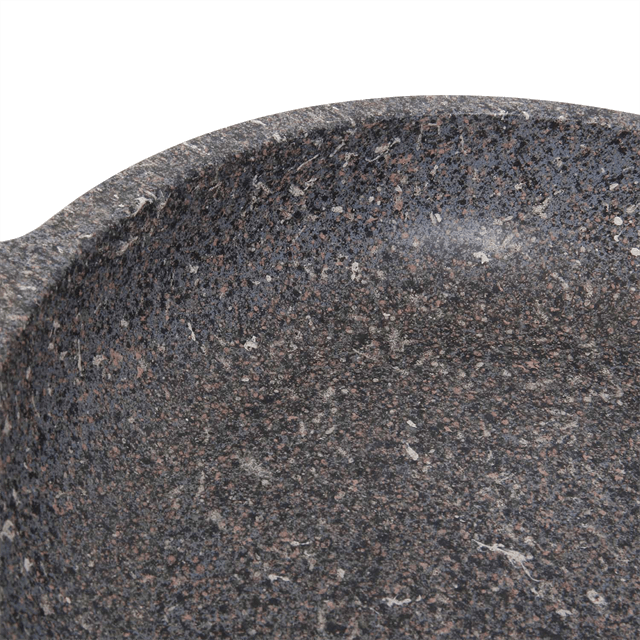
Understanding the materials applied to your pans is vital for predicting their coating lifespan. Different chemical compositions and application methods yield vastly different results on the stove.
PTFE remains the undisputed champion for food release. This synthetic polymer boasts exceptional chemical stability. Its highly hydrophobic properties mean water and oils cannot easily bond to the surface. Modern manufacturers rarely apply a single layer of PTFE anymore. They use multi-layer systems to enhance performance. A three-layer system reinforced with titanium or diamond dust significantly improves overall wear resistance. The primer layer bonds directly to the roughened metal. The mid-layer provides structural reinforcement and thickness. The top layer delivers the slick, frictionless cooking surface you interact with.
Ceramic coatings utilize a silica-based sol-gel process. This manufacturing method transforms liquid solutions into solid gel networks, creating a slick, glass-like finish on the pan. The primary advantage of ceramic is its higher initial heat tolerance. You can push a ceramic pan slightly hotter than PTFE without immediate chemical breakdown. However, this comes with a massive trade-off. Ceramic surfaces generally exhibit a much shorter lifespan for food release. The microscopic silicone-like compounds that provide the non-stick effect degrade faster than PTFE under normal friction. Many users find that ceramic pans lose their slickness within six to twelve months of daily use, turning into a sticky nightmare.
The metal beneath the coating dictates overall longevity just as much as the coating itself. Hard-anodized aluminum foundations are highly recommended for non-stick applications. The anodization process hardens the raw aluminum, preventing the pan from warping under high heat. It also creates a porous, oxidized surface. This rough texture provides a much stronger mechanical bond for the non-stick primer layers. Multi-clad stainless steel bases offer another premium foundation. High-end clad construction improves heat distribution across the entire cooking surface. This eliminates localized hotspots that rapidly accelerate coating degradation in specific areas of the pan.
| Coating Type | Primary Material | Heat Tolerance | Average Lifespan (Daily Use) | Key Advantage |
|---|---|---|---|---|
| Traditional Non-Stick | PTFE (Polytetrafluoroethylene) | Up to 500°F (260°C) | 2 - 4 Years | Superior, long-lasting food release |
| Ceramic Non-Stick | Silica-based Sol-Gel | Up to 600°F (315°C) | 6 - 12 Months | High initial heat resistance |
| Reinforced PTFE | PTFE + Titanium/Diamond | Up to 500°F (260°C) | 3 - 5 Years | Maximum scratch resistance |
Even the highest quality pans fail prematurely if you subject them to abusive conditions. Understanding the primary failure modes helps you protect your investment and maintain Non-Stick Coating Durability.
Heat acts as the natural enemy of non-stick surfaces. PTFE begins to break down structurally at temperatures exceeding 500°F (260°C). When you leave an empty pan on a high burner, it reaches this critical temperature in just a few minutes. The polymer chains literally begin to untangle and degrade. Ceramic coatings suffer differently under extreme heat. While they resist melting, rapid temperature fluctuations cause micro-fracturing in the rigid silica structure. Over time, these invisible cracks trap microscopic food particles and destroy the release properties completely.
Thermal shock destroys pans faster than almost any other factor in the kitchen. Taking a hot pan directly from the stove and tossing it under cold running water is a critical error. The sudden temperature drop causes the metal substrate to contract violently. The non-stick coating cannot contract at the exact same rate. This differential movement fractures the mechanical bond between the coating and the metal. Once this bond breaks, the coating inevitably begins to blister, bubble, and peel away from the surface.
Physical damage permanently compromises surface integrity. Using metal spatulas, forks, or knives creates microscopic gouges in the coating. Stacking pans in cupboards without protective layers causes the rough metal bases to grind against the slick interiors of the pans below them. Aggressive scouring pads and abrasive powder cleaners physically strip away the top layer of the coating. Once the surface gets scratched, cooking oils and food particles penetrate the damaged areas, baking into the substrate and accelerating the loss of non-stick performance.
Harsh chemicals degrade the structural bonds of the coating over time. Highly alkaline dishwasher detergents prove particularly destructive. The combination of caustic soap, high-pressure water jets, and prolonged heat in a dishwasher strips the surface rapidly. Additionally, prolonged exposure to highly acidic foods weakens the coating. Simmering tomato sauces or reducing vinegar-based liquids for hours slowly attacks the coating's integrity.
Knowing exactly when to retire a pan is crucial for both cooking performance and kitchen safety. You must routinely inspect your equipment using objective criteria rather than just guessing.
Visual inspection provides the most immediate feedback. Look for obvious signs of peeling or flaking along the main cooking surface or the upper rim. Deep gouges that reach down to the bare metal substrate indicate immediate failure. Severe discoloration serves as another massive warning sign. Dark, carbonized patches usually result from burnt-on polymerized fats that you can no longer clean off. These sticky zones ruin the pan's functionality and indicate the coating has failed in that specific spot.
When visual cues seem subtle, performance tests reveal the truth about your pan's condition.
Safety remains a primary concern for anyone cooking daily. The regulatory landscape shifted significantly over the last decade. Legacy formulations used PFOA, a chemical now phased out globally due to severe health and environmental concerns. Modern formulations are PFAS-free or utilize safer, regulated alternatives. Ingesting minor, microscopic flakes of modern, inert PTFE generally passes through the body without reaction. However, cooking on heavily damaged pans exposes the reactive aluminum substrate beneath. Acidic foods react violently with bare aluminum, altering the taste of your food and introducing unwanted metallic compounds into your meals.
You can significantly extend the durability of your pans by adopting strict handling and maintenance protocols in your kitchen.
Strict temperature control acts as your best defense against degradation. Never heat an empty non-stick pan. Always add a small amount of oil or butter before turning on the burner. The fat acts as a visual temperature gauge; if the oil smokes, the pan is already too hot. Maintain low-to-medium heat settings for all cooking tasks. Non-stick surfaces exist for cooking eggs, delicate fish, and pancakes. They do not exist for hard-searing steaks at maximum temperatures.
Eliminate all metal utensils from your non-stick cooking routine immediately. Specify the strict use of silicone, wood, or heat-resistant nylon spatulas and spoons. These materials glide over the surface without causing micro-abrasions. For cleaning, implement a strict hand-washing protocol. Allow the pan to cool completely on the stove before moving it to the sink. Use only non-abrasive sponges or soft microfiber cloths. Apply mild liquid dish surfactants rather than harsh powders or dishwasher pods.
Improper storage ruins perfectly good pans while they sit in your cabinet. Never nest bare pans inside one another. The rough metal bottom of the top pan scratches the delicate interior of the bottom pan every time you move them. Use dedicated pan protectors, thick felt pads, or even simple folded paper towels between stacked items. Alternatively, utilize hanging racks to keep the cooking surfaces completely isolated from physical contact.
A: Minor surface scratches are generally safe but reduce non-stick performance. However, if scratches are deep enough to expose the underlying bare metal, you should replace the pan. Exposed metal reacts with acidic foods, and peeling coating mixes with your meals.
A: Ceramic coatings rely on a microscopic, silicone-like sol-gel layer for food release. This rigid layer is highly susceptible to micro-fracturing from rapid temperature changes and degrades faster under normal friction compared to the more flexible, synthetic polymer structure of PTFE.
A: No, you cannot restore a chemically degraded or physically scratched non-stick surface at home. Once the polymer or ceramic layer wears away or loses its hydrophobic properties, the pan must be replaced. DIY repair sprays are not food-safe or effective.
A: Yes. The combination of highly caustic dishwasher detergents, prolonged high heat, and abrasive water pressure aggressively strips the non-stick layer. Even if a pan is labeled "dishwasher safe," hand washing is required to maximize its lifespan.
A: Traditional PTFE coatings begin to degrade structurally at temperatures around 500°F (260°C). Heating an empty pan on a high burner reaches this critical threshold in just a few minutes, permanently destroying the pan's surface.
A: Yes. Thicker, heavier pans distribute heat much more evenly across the cooking surface. Thin pans develop extreme localized hotspots over the burner, which rapidly burns out the coating in those specific areas, leading to premature failure.

How Can Hair Straightener Coating Keep Heating Plates Smooth?

How Can Water Based Fluorine-Free Coating Fit a Mass Spray Line?

How Can Three Layer Coating Stay Consistent in Continuous Production?

How Can Frying Pan Coating Balance Food Release and Wear Resistance?
Water Based Fluorine-Free Coating for Rice Cooker Inner Pots

How Non-Stick Coatings Are Manufactured Step by Step

How Nano Ceramic Coating Improves Cookware Performance

How Long Does Non-Stick Coating Last?

Single Layer vs Double Layer Coating: Key Differences

Applications of Non-Stick Coating in Kitchen Appliances

