


Views: 0 Author: Site Editor Publish Time: 2026-07-19 Origin: Site


Marketing campaigns frequently promote indestructible pans, yet high-use residential and commercial kitchens constantly face the reality of premature degradation. Users routinely deal with delamination, complete loss of release properties, and poor scratch resistance. These failures drive up operational costs and force frequent replacement cycles. The solution lies beyond surface-level nonstick claims. Transitioning to a Multi-Layer Coating shifts the focus toward structural material science. By engineering distinct strata for specific functions, manufacturers mitigate these common failures and drastically improve long-term performance. We see this on the factory floor every day. When you separate adhesion, wear resistance, and release into dedicated layers, the pan survives the harsh realities of a working kitchen. It stops being about magic polymers and starts being about sound mechanical engineering.
Deconstructing the architecture of a multi-layer system reveals exactly how it achieves superior longevity compared to monolithic applications. Each layer performs a highly specialized role. You cannot expect a single chemical mixture to handle everything perfectly. We break the system down into specific jobs.
The primer acts as the critical bridge between the bare metal substrate and the subsequent polymer layers. Without this foundation, the entire system remains vulnerable to catastrophic failure. Formulating the primer requires precise engineering to establish both mechanical and chemical bonds. Mechanical bonding relies on the physical anchor profile created during substrate preparation. We typically look for a specific surface roughness (Ra value) achieved through grit blasting. Chemical bonding ensures the polymer matrix adheres securely under extreme thermal stress.
A dedicated primer prevents blistering and flaking when the pan undergoes rapid heating and cooling cycles. Formulations must adapt to the specific metal substrate to ensure a uniform coefficient of thermal expansion. When the metal expands, the primer must stretch at a similar rate. This synchronized movement eliminates the shear forces that typically cause single-layer coatings to peel away from the base metal. Superior adhesion dictates the lifespan of the entire pan. If the primer fails, everything above it fails.
Positioned above the primer, the mid-coat serves as the structural shock absorber. Manufacturers often include complementary hardening agents within this matrix. We use ceramic particles, titanium dioxide, or diamond dust depending on the application. These additives drastically increase the physical toughness of the system. When metal utensils strike the surface, the mid-coat absorbs and dissipates the impact energy, protecting the vulnerable primer layer beneath it.
This layer physically anchors the top-coat, preventing interfacial shearing during heavy scrubbing or scraping. By isolating the abrasion resistance function to the mid-coat, engineers can load this layer with hard particles without compromising the slickness of the final cooking surface. The mid-coat essentially forms a protective shield. It maintains structural integrity even after thousands of cooking cycles. We measure this in the lab using weighted scratch tests, and the mid-coat is what stops the needle from reaching bare metal.
The final surface layer focuses entirely on release properties. This top-coat relies heavily on the extreme strength and chemical inertness of carbon-fluorine (C-F) bonds found in PTFE polymers. These bonds resist interaction with food molecules, creating a frictionless surface that prevents sticking. Isolating the release function to the top layer prevents the compromise of underlying structural integrity.
While chemically impervious to almost everything encountered in a kitchen, the top-coat remains mechanically soft. It cannot withstand heavy abrasion on its own. This inherent limitation necessitates the robust support of the mid-coat and primer layers. When supported correctly, the top-coat delivers exceptional food release while the lower layers handle the physical abuse of daily cooking. You get the slickness you need without sacrificing the strength required for a busy kitchen.
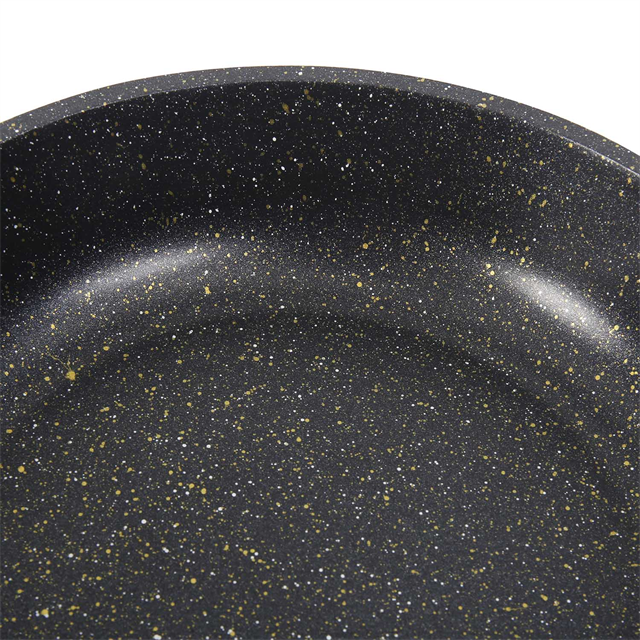
Comparing traditional single-layer applications against multi-layer alternatives highlights the severe limitations of monolithic designs. You simply cannot cheat physics. A single layer will always fail faster under stress.
Single-layer formulations force one material to handle adhesion, wear resistance, and food release simultaneously. This creates an inherent compromise. A coating optimized for slickness lacks the binders needed for strong substrate adhesion. Conversely, a coating loaded with binders for adhesion loses its nonstick properties. We see this constantly with cheap imported pans.
This compromise leads to common failure modes. Micro-scratching quickly penetrates the thin single layer, exposing the bare metal to rapid oxidation and corrosion. Furthermore, thermal shock causes immediate, catastrophic delamination because the single layer cannot manage the differential expansion between the metal and the polymer. Once the bond breaks, the coating flakes off in large sections, rendering the pan useless.
Performance thresholds vary significantly depending on the number of layers applied. Dual-layer coatings generally provide satisfactory release and basic wear resistance suitable for light residential use. They feature a primer for adhesion and a top-coat for slickness. However, they lack the dedicated reinforcement layer needed for heavy-duty applications.
Triple-layer systems introduce a highly reinforced mid-coat, elevating the pan to commercial durability standards. This three-tier approach separates all critical functions. Specialized four- and five-layer industrial coating systems offer compounding protection. These advanced configurations often feature multiple mid-coats with varying particle sizes to create an impenetrable barrier against aggressive abrasion and chemical attack.
| Coating Type | Layer Composition | Primary Use Case | Expected Lifespan (Cycles) |
|---|---|---|---|
| Single-Layer | Blended Primer/Top-Coat | Low-frequency baking | 1,000 - 3,000 |
| Dual-Layer | Primer + Top-Coat | Standard residential | 5,000 - 10,000 |
| Triple-Layer | Primer + Mid-Coat + Top-Coat | Heavy residential / Light commercial | 15,000 - 25,000 |
| 4/5-Layer Systems | Primer + Multiple Mid-Coats + Top-Coat | Heavy commercial / Industrial | 30,000+ |
Multi-layer structures distribute mechanical stress and thermal expansion across multiple boundaries rather than focusing it on a single plane. This stratified defense creates a multiplier effect for durability. When a scratch penetrates the top-coat, the hardened mid-coat halts its progression, preventing moisture and acids from reaching the primer.
Industry testing standards consistently demonstrate this superiority. Multi-layer systems routinely outlast single-layer or basic ceramic coatings by significant margins. Rigorous laboratory testing shows that premium multi-layer configurations achieve lifecycles up to seven or eight times longer than their single-layer counterparts under identical wear conditions. We run these tests daily, and the data never lies.
Buyers and manufacturers require a strict, objective framework to evaluate coating quality accurately. Relying on marketing claims often leads to poor purchasing decisions. You need hard data.
Standardized wear testing provides quantifiable data on coating longevity. Reciprocal abrasion tests utilize abrasive pads moving back and forth across the surface under a specific weight load. Premium multi-layer systems typically withstand 25,000 or more scrub cycles before exposing the bare metal.
Interpreting manufacturer scrub-test claims requires skepticism. Variables such as wet versus dry testing, the abrasiveness of the pad, and the applied pressure metrics drastically alter the results. Always request the specific testing parameters when evaluating a cookware coating to ensure the data reflects real-world abuse.
Multi-layer coatings interact directly with the underlying metal. Tri-ply or five-ply stainless steel bases maintain stability during rapid pre-heating, providing a solid foundation for the polymer layers. Multi-ply clad metal distributes heat evenly across the entire cooking surface.
This even heat distribution reduces localized hot spots that lead to accelerated polymer degradation. PTFE polymers begin to degrade when exposed to temperatures exceeding 500°F (260°C). Multi-layering delays this thermal breakdown by insulating the substrate and dissipating heat more efficiently through the structural mid-coats. We always recommend pairing high-end coatings with high-end clad metals.
A high-quality coating must withstand acidic foods like tomatoes and citrus, as well as harsh detergents, without micro-pitting. Single-layer coatings often exhibit microscopic porosity, allowing corrosive agents to seep through the polymer and attack the metal-primer interface.
Multi-layering significantly reduces this porosity. The overlapping strata create a tortuous path that blocks moisture and acids from reaching the substrate. This chemical resistance prevents the hidden corrosion that often causes coatings to blister and peel from the inside out. We test this using boiling saltwater solutions over 48-hour periods.
The market primarily relies on two material solutions for multi-layer applications. Objectively weighing their specific use cases ensures optimal performance for different cooking environments.
Traditional polymer multi-layers offer unmatched release properties and flexibility. The carbon-fluorine bonds create a surface with an exceptionally low coefficient of friction. This flexibility allows the coating to expand and contract with the metal substrate without cracking.
The durability advantage of PTFE remains clear. Studies consistently show that high-quality PTFE systems last up to seven times longer than sol-gel coatings under everyday wear. Modern manufacturing innovations ensure these systems meet strict safety standards, utilizing PFOA-free and PFAS-compliant formulations that remain completely safe at operating temperatures up to 500°F (260°C).
Multi-layer ceramic coatings, based on sol-gel technology, have gained traction for high-heat applications. These systems can withstand temperatures up to 850°F (450°C) without releasing fumes or degrading structurally. They offer superior initial hardness and excellent resistance to thermal shock.
However, users must analyze the core trade-off. While ceramic coatings excel in heat resistance, they suffer from a rapid degradation curve regarding release properties. The nonstick performance of a sol-gel coating diminishes much faster than a premium PTFE system, often losing its slickness after just a few months of heavy use. We see ceramic pans returned constantly for loss of release.
Bridging the gap between engineering and real-world kitchen use demonstrates how operational behavior directly impacts lifespan. Proper handling preserves the structural integrity of the coating.
Rapid temperature shifts cause severe damage to any coated surface. Placing a hot pan directly under cold water induces thermal shock. The metal substrate and the coating layers possess different thermal mass and cooling rates.
This differential expansion and contraction creates massive shear stress at the bonding interface. The sudden movement causes micro-cracking within the polymer matrix and weakens the primer's grip on the metal. Over time, repeated thermal shock guarantees delamination, regardless of the coating's initial quality. Never quench a hot pan.
Implementing concrete preheating protocols prevents thermal damage. Users should preheat cookware on medium heat for two to three minutes. This gradual approach allows the clad metal base and the multi-layer coating to expand uniformly, minimizing stress on the primer layer.
Dry-heating empty pans at high temperatures presents a significant danger. Without food or oil to absorb the thermal energy, the surface temperature can quickly exceed the safe threshold of the top-coat. This rapid overheating permanently degrades the release properties and compromises the entire system.
Manufacturing realities dictate whether a multi-layer coating will actually perform as specified. Poor quality control ruins even the best chemical formulations. We audit production lines to catch these exact failures.
Even the most advanced multi-layer system will fail without proper substrate preparation. The bare metal requires aggressive etching, sandblasting, or chemical cleaning to remove all contaminants and create a rough anchor profile. This microscopic texture gives the primer something to grip. Skipping this step guarantees poor adhesion and early failure.
Applying multiple layers requires precise temperature control. Improper flash-off times between coats trap solvents within the matrix. Incorrect curing temperatures prevent the polymers from cross-linking properly. These curing process failures lead directly to inter-coat delamination, where the top-coat peels away from the mid-coat, leaving a compromised surface.
Buyers must actively mitigate sourcing risks by demanding transparency from manufacturers. Always request comprehensive technical data sheets to verify the physical properties of the coating. Verify the origin of the raw materials and ensure the factory adheres to strict application standards. Consistent quality control during the application process matters just as much as the chemical formulation itself.
Multi-layer coating remains a strict structural requirement for commercial-grade durability and long-term nonstick performance. To maximize the lifespan of your coated cookware, take the following actionable steps:
A: It is an engineered surface system consisting of distinct strata—typically a primer for adhesion, a mid-coat for abrasion resistance, and a top-coat for food release. This separation of functions provides vastly superior durability compared to single-layer applications.
A: Peeling usually results from poor substrate preparation, single-layer formulations lacking proper binders, or severe thermal shock. When a hot pan is quenched in cold water, the rapid contraction breaks the mechanical bond between the coating and the metal.
A: Yes, modern multi-layer PTFE systems comply with current safety regulations. They remain completely safe and chemically inert when used within their recommended temperature limits, typically up to 500°F (260°C).
A: Ceramic (sol-gel) coatings offer higher heat resistance (up to 850°F) and excellent initial hardness. However, their nonstick release properties degrade much faster than premium PTFE systems under regular cooking conditions.
A: High-quality triple-layer or five-layer systems with reinforced mid-coats can withstand occasional metal utensil use. However, using silicone or wooden tools will always maximize the lifespan of the top-coat.

Which Spray Parameters Matter for Sprinkled Non Stick Coating?

How Does Double Layer Coating Improve Primer and Topcoat Bonding?

How Can Frying Pan Coating Improve Coverage Around Curved Edges?

Nano Ceramic Coating Process for Electric Iron Soleplates

How Can Three Layer Coating Handle Thermal Cycling on Stainless Steel?

How Can Rice Cooker Inner Pot Coating Improve Rice Release?

How Can Aluminum Cookware Avoid Distortion During Coating Curing?

How Should Curing Temperature Be Set for Nano Ceramic Coating?

Which Formulation Factors Affect Non Stick Coating Scratch Resistance?

How Should Air Fryer Coating Be Tested for Oil and Cleaning Resistance?

