


Views: 0 Author: Site Editor Publish Time: 2026-07-25 Origin: Site


Premature coating failure creates severe operational and commercial impacts across consumer and industrial product lines. Poor material selection leads directly to rapid surface degradation. This degradation drives warranty claims, frustrates users, and damages brand reputation. Manufacturers constantly face a tension between minimizing production costs and maximizing product lifespan. Choosing the right surface technology requires moving beyond basic marketing claims. You must evaluate empirical data, application chemistry, and target market expectations. A direct Single vs Double Layer evaluation reveals critical differences in structural integrity. Surface engineering dictates how well a product withstands friction, heat, and chemical exposure. Understanding these mechanics helps engineering teams align manufacturing processes with actual performance requirements. We will explore the technical realities of these systems, breaking down their specific advantages, inherent limitations, and ideal applications.
Evaluating surface integrity requires standardized industry testing protocols. Engineers rely on ASTM D3359 cross-hatch adhesion tests to measure how well the film bonds to the substrate. Taber abrasion testing quantifies wear resistance under rotational friction. LGA and British Standard wear tests simulate long-term mechanical scrubbing. These protocols establish clear baseline metrics for product viability. Manufacturers must set minimum acceptable thresholds for release properties. Contact angle measurements determine the hydrophobicity and oleophobicity of the finish. High contact angles indicate superior non-stick characteristics.
Thermal stability tests ensure the film resists degradation under continuous heat exposure. Salt spray testing evaluates corrosion resistance over extended periods. Assessing uniformity across complex geometries requires strict Dry Film Thickness (DFT) testing. Technicians use magnetic gauges for ferrous substrates and eddy current gauges for non-ferrous metals. Establishing these baselines prevents catastrophic field failures.
Different chemical formulations dictate the required number of coating layers. Fluoropolymers like PTFE offer exceptional release properties but often require specialized primers for adequate adhesion. Ceramic Sol-Gel systems provide high hardness and thermal resistance. Silicone-Polyester blends serve well in specific low-temperature baking applications. Each chemistry interacts differently with the underlying metal. Substrate preparation is non-negotiable for mechanical bonding. Chemical etching creates a micro-porous surface suitable for specific formulations. Sandblasting or grit-blasting generates a rougher anchor profile.
This mechanical tooth is critical for both single and multi-layer configurations. Proper preparation prevents premature delamination and ensures the film anchors securely to the metal. Using 60-80 grit aluminum oxide at 60-80 psi typically yields an optimal 2.5 to 3.5 micron surface profile. Failing to achieve this profile guarantees adhesion failure regardless of the chemical formulation applied.
Food-contact surfaces must navigate a complex compliance landscape. Agencies like the FDA, EFSA, and LFGB enforce strict regulations regarding chemical migration. Layer thickness and composition directly impact these migration rates. Formulators must ensure no harmful substances transfer into food under high heat or acidic conditions. The global manufacturing sector is actively shifting away from legacy chemicals. PFOA and specific PFAS compounds face strict bans.
Modern, compliance-grade formulations behave differently during application and curing. Engineering teams must validate these new chemistries across varying configurations to ensure they meet both safety standards and performance expectations. Migration testing involves exposing the cured surface to food simulants like 3% acetic acid or 95% ethanol at elevated temperatures for extended durations. Passing these tests is mandatory for market entry.
A single layer system utilizes an all-in-one chemical formulation. Formulators blend adhesion promoters, structural binders, and release agents into a homogeneous matrix. PTFE or ceramic particles distribute evenly throughout this single liquid mixture. This matrix must simultaneously bond to the metal and provide surface protection. The application process prioritizes speed and efficiency. After surface preparation, equipment applies the material via single-pass spraying or rolling.
The coated part moves through a flash-off zone to evaporate solvents. Finally, it enters a single-stage high-temperature curing oven for sintering. Typical Dry Film Thickness (DFT) limits range from 10 to 15 microns. Applying the material too thick introduces severe risks of mud-cracking during the curing phase. Operators must maintain strict fluid pressure and atomization air settings to prevent sagging or runs on vertical surfaces.
Single layer applications suit specific product categories perfectly. Entry-level consumer goods often utilize these systems to maintain low retail points. Promotional items and low-frequency use bakeware benefit from the simplified manufacturing process. Disposable or short-lifecycle industrial components also represent ideal use cases. The commercial advantages stem from minimized production steps. Single-pass lines offer high-throughput production speeds.
They consume less energy during the curing phase. Facilities generate less chemical waste and require less footprint for equipment. These unit-cost advantages make single-coat systems highly viable for budget-conscious market segments. High-volume stamping facilities often integrate single-coat lines directly after the press to minimize material handling and WIP inventory.
The primary structural vulnerability lies in the monolithic design. Compromising the top surface immediately exposes the bare metal substrate beneath. Without a dedicated barrier layer, micro-scratches propagate rapidly. This propagation leads to a swift loss of non-stick or protective properties. Corrosive agents exploit this vulnerability through the wicking effect.
Moisture and acids bypass the single layer through microscopic pinholes. They reach the substrate and initiate sub-film corrosion. This corrosion breaks the mechanical bond, causing rapid delamination and catastrophic surface failure. Field data shows that single-layer systems exposed to high-acid environments fail up to three times faster than multi-layer equivalents.
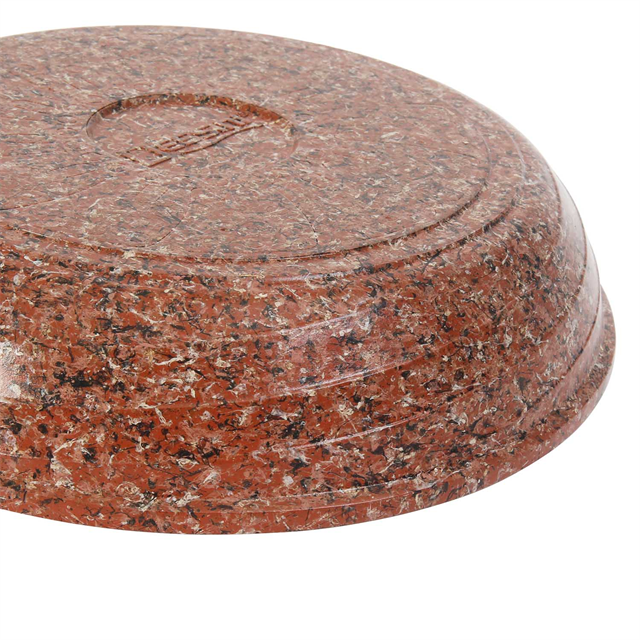
Double layer systems separate structural responsibilities into dedicated films. The base layer, or primer, maximizes mechanical and chemical bonding. It utilizes high-binder-to-fluoropolymer ratios to grip the roughened substrate securely. This primer acts as the foundational anchor for the entire system. The top layer optimizes surface characteristics. It focuses on low surface energy for excellent release properties.
High-density active ingredients provide chemical resistance, scratch resistance, and an aesthetic finish. The inter-coat bonding phase links these two films. Wet-on-wet or wet-on-dry application processes facilitate chemical cross-linking between the layers during the final curing stage. The primer formulation often includes polyamide-imide (PAI) or polyethersulfone (PES) resins to withstand the extreme 400°C+ sintering temperatures required for PTFE topcoats.
Multi-layered stratification absorbs mechanical stress far better than monolithic structures. The distinct films buffer abrasive friction and thermal shock. This stratification significantly enhances overall durability. The system relies on the concept of sacrificial wear. When the topcoat degrades over time, it does not immediately compromise substrate protection.
The underlying primer maintains a tough, corrosion-resistant barrier. Typical Dry Film Thickness (DFT) parameters for double-coat systems range from 25 to 35 microns total. This usually breaks down to a 10-15 micron primer and a 15-20 micron topcoat. This added thickness provides a physical buffer against impact damage and deep gouging from metal utensils or industrial tooling.
Implementing dual-pass application systems increases operational expenditure. Facilities require secondary spray booths and intermediate flash-off zones. The high-energy thermal curing profiles consume more electricity or gas. Production lines must extend conveyor paths to accommodate these additional steps. Maintaining cleanroom environments becomes critical.
Airborne contaminants can settle between the primer and topcoat, causing inter-coat adhesion failure. This risk requires tighter environmental controls and filtration systems. Manufacturers must balance these increased operational costs against the superior performance output. Upgrading a line requires careful calculation of conveyor speeds to ensure the primer flashes off adequately before the topcoat application station.
A direct comparison highlights the stark differences in physical properties. The table below outlines standard performance metrics across both configurations.
| Performance Metric | Single Layer System | Double Layer System |
|---|---|---|
| Dry Film Thickness (DFT) | 10 - 15 microns | 25 - 35 microns |
| Abrasion Wear Cycles | ~5,000 cycles | 50,000+ cycles |
| Thermal Cycling Tolerance | Moderate (Prone to micro-cracking) | High (Stress-buffering stratification) |
| Corrosion Resistance (ASTM B117) | Low (Pinholing risks) | High (Dedicated primer barrier) |
| Application Method | Single-pass spray/roll | Dual-pass (Wet-on-wet or Wet-on-dry) |
Layer thickness and material density heavily influence heat distribution. Proper formulation ensures high thermal conductivity across the cooking surface. Double layer systems maintain thermal transfer efficiency while providing superior protection. This balance directly elevates overall cookware performance. Retention of non-stick release properties varies significantly over a simulated lifecycle.
Single layers exhibit rapid surface roughness evolution under wear. Double layers maintain their smooth profile much longer. Real-world usability factors heavily favor multi-coat systems. They resist high-acid foods and withstand degradation from harsh dishwashing detergents far better than single-pass alternatives. The primer layer prevents tomato sauce or citrus juices from penetrating and lifting the film from the aluminum or steel base.
A blended single-pass matrix compromises adhesion to achieve release properties. The binder and release agents compete at the substrate interface. A dedicated primer approach eliminates this competition. The primer focuses entirely on gripping the metal. Single layers are prone to flaking or peeling under extreme temperature fluctuations.
They lack the flexibility to expand and contract seamlessly with the metal. Double layers offer a stress-buffering capability. The primer flexes with the substrate, while the topcoat maintains surface integrity, drastically reducing delamination risks. Thermal shock testing, which involves heating the pan to 260°C and plunging it into cold water, frequently causes single layers to shatter, while double layers remain intact.
Calculating the true value of a system requires looking beyond the initial application expense. You must factor in warranty return rates and brand reputation damage from premature peeling. A cheaper unit cost often leads to higher downstream liabilities. Amortizing double-layer costs over an extended product lifecycle reveals a different financial picture.
Superior wear resistance lowers the long-term cost per use. Customers experience better longevity, leading to positive reviews and repeat purchases. Investing in a robust primer and topcoat system ultimately protects the brand's market position. High return rates on single-layer products quickly erase any initial manufacturing savings, especially when factoring in reverse logistics and customer support overhead.
Transitioning to multi-layer systems introduces throughput bottlenecks in continuous manufacturing lines. Facilities must install dual spray booths and extended conveyor paths. Secondary baking ovens require significant floor space. Engineers must carefully map the production flow to prevent bottlenecks at the flash-off zones. Upgrading a single-layer facility requires substantial capital expenditure.
You must invest in environmental filtration to prevent inter-coat contamination. Precise film-thickness monitoring systems become mandatory. Scaling these operations demands rigorous operator training and automated quality control checkpoints. Implementing robotic spray applicators ensures consistent film build across complex geometries, reducing the scrap rate associated with manual spraying inconsistencies.
Application defects vary based on the chosen system. Single layers frequently suffer from pinholing, uneven film build, and orange peel textures. Double layers introduce risks of inter-coat adhesion failure, solvent popping, and mud-cracking if applied too heavily. Quality assurance teams must employ rigorous testing methods.
Non-destructive techniques like beta-backscatter verify layer consistency without ruining the part. Destructive testing, including cross-section microscopy, confirms the exact thickness of the primer and topcoat. Regular audits of the application line prevent minor deviations from becoming major defect spikes. Monitoring ambient humidity and temperature in the spray booth is critical, as fluctuations cause solvent popping in the topcoat.
Relying on proprietary multi-layer formulations carries inherent supply chain risks. Variations in raw material purity alter curing times and adhesion strength. Secondary supplier validation is critical to maintain uninterrupted production. Procurement teams should utilize a strict checklist for auditing vendor capabilities.
Verify chemical batch consistency through independent lab testing. Demand certificates of analysis for all incoming raw materials. Establishing clear communication channels with chemical formulators ensures rapid troubleshooting when application anomalies occur. Keep backup formulations validated and ready for immediate deployment if the primary supplier experiences a raw material shortage.
Single layer systems remain strictly suited for highly cost-sensitive, low-wear, or disposable applications. Double layer systems represent the baseline requirement for performance-grade, commercial, and premium-tier products. Use a rapid decision matrix based on target retail tier, expected warranty period, and primary user environment to guide your selection.
A: Visual identification involves examining thickness, opacity, and surface texture. A double layer system exhibits a deeper, more opaque finish. You can usually see a distinct primer layer visible at the edges of the substrate or by performing microscopic cross-sectioning.
A: It often more than doubles the functional lifespan. This increase is due to the specialized primer bond and sacrificial wear dynamics of the topcoat, rather than just being twice as thick. The structural stratification prevents rapid failure.
A: Yes, when formulated correctly. Manufacturers must adhere to thermal degradation thresholds and safety standards for multi-layer PTFE or ceramic systems. High-quality double layers maintain stability and prevent polymer fume release at standard cooking temperatures.
A: Reapplying factory-cured surfaces presents severe technical limitations. New materials suffer from adhesion failure on degraded substrates. Complete replacement of the component is usually required to restore original performance levels.
A: Single-coat systems typically range from 10 to 15 microns in Dry Film Thickness (DFT). Double-coat systems usually measure between 25 and 35 microns total. This difference affects the final weight, tolerance, and wear resistance of the product.
A: Additional polymer or ceramic layers introduce a marginal insulating effect. However, high-quality formulations incorporate thermally conductive particles. These additions mitigate heat transfer loss, ensuring efficient thermal dynamics across the surface.

How Can Hair Straightener Coating Keep Heating Plates Smooth?

How Can Water Based Fluorine-Free Coating Fit a Mass Spray Line?

How Can Three Layer Coating Stay Consistent in Continuous Production?

How Can Frying Pan Coating Balance Food Release and Wear Resistance?
Water Based Fluorine-Free Coating for Rice Cooker Inner Pots

How Non-Stick Coatings Are Manufactured Step by Step

How Nano Ceramic Coating Improves Cookware Performance

How Long Does Non-Stick Coating Last?

Single Layer vs Double Layer Coating: Key Differences

Applications of Non-Stick Coating in Kitchen Appliances

