


Views: 0 Author: Site Editor Publish Time: 2026-10-30 Origin: Site


Every commercial baker and pastry enthusiast knows the frustration. You spend hours scaling ingredients and whipping a delicate batter to an airy consistency. You monitor the oven temperature like a hawk. Yet, disaster strikes at the very end. The sponge stubbornly clings to the mold. This leaves a charred, crusty residue fused to the edges of your pan. This common baking failure destroys the visual presentation of an otherwise perfect dessert. It also drastically increases food waste and forces your staff into labor-intensive scrubbing at the sink.
The core solution to this persistent culinary issue lies in surface material engineering. By utilizing advanced polymer technologies, bakers can fundamentally alter how a wet batter interacts with heated metal. This comprehensive guide will dive into the molecular mechanics of these surface treatments. We will explore how they actively prevent adhesion and regulate thermal transfer. In addition, we will compare various formulation technologies and provide actionable advice on selecting the optimal bakeware to guarantee flawless demolding every single time.
To truly understand how to mitigate edge buildup, we must examine the thermal dynamics occurring within the oven environment. Baking is an intricate dance of thermodynamics and material transformation.
When liquid cake batter absorbs ambient oven heat, chemical leavening agents activate and release carbon dioxide gas. Simultaneously, the internal moisture converts to steam. This powerful combination forces the batter to expand rapidly and climb the vertical walls of the baking vessel. If the interior surface is untreated bare metal, the rising batter will physically grip the microscopic pores and striations of the metal. It anchors itself firmly as it bakes.
Cake recipes are inherently rich in proteins from eggs and flour, alongside high concentrations of sugar. As these organic compounds make direct contact with the searing heat of a conductive metal pan, they undergo the Maillard reaction and subsequent caramelization. While this chemical process creates a desirable flavor profile, it also acts as an industrial-strength adhesive. Without a protective barrier, these caramelized sugars essentially glue the expanding crumb structure directly to the pan.
Specifically, metals like aluminum and dark carbon steel are exceptionally efficient thermal conductors. Consequently, the edges of the pan heat up much faster than the dense liquid center of the batter mass. This steep temperature gradient causes the perimeter to set and begin dehydrating while the core remains fluid. Prolonged exposure to high heat at the edges leads to rapid moisture evaporation. This results in a dense, hard crust that makes seamless demolding virtually impossible.
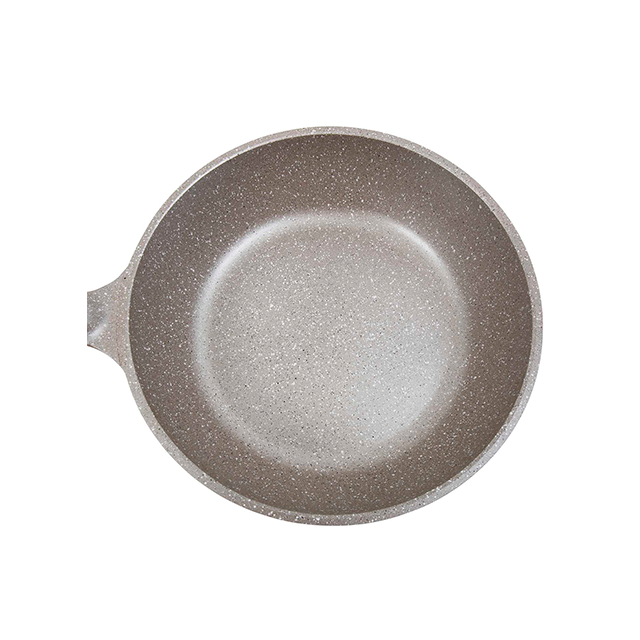
Applying a specialized surface treatment fundamentally alters the physical interaction between the raw batter and the baking vessel. The mechanics behind a premium cake pan non stick coating rely on sophisticated polymer chemistry to mitigate edge buildup.
At a molecular level, these coatings are engineered to exhibit extremely low surface energy. This renders the interior of the pan both hydrophobic, meaning it repels water, and oleophobic, meaning it repels oil. When the batter expands and attempts to climb the sides, the moisture and fats within the mixture simply cannot penetrate the treated surface. Instead of anchoring to the metal substrate, the batter is actively repelled. This prevents the formation of that dreaded crusty residue.
From an engineering perspective, even highly polished bare metal contains microscopic peaks and valleys. Raw batter readily seeps into these tiny crevices. A high-quality coating fills in these microscopic imperfections, creating a remarkably smooth finish. Industrial-grade single-layer systems typically cure to a film thickness of 15 to 25 micrometers. This incredibly thin but dense layer provides a total lack of mechanical grip, allowing the rising batter to slide up the walls evenly.
In addition to physical repellency, certain advanced formulations provide a microscopic layer of thermal insulation. While the metal substrate still conducts heat efficiently, the coating slightly buffers the harsh conductive heat transfer at the immediate contact point. This subtle thermal regulation helps prevent the sugars at the very edge from instantly scorching.
Recent market analysis reveals a massive shift in commercial baking equipment manufacturing. As global energy costs fluctuate and sustainability mandates tighten, industrial bakeries are rapidly moving away from consumable release agents. Relying on gallons of aerosolized oils or shortening pastes is no longer economically viable or environmentally responsible.
Furthermore, regulatory bodies are pushing for safer food-contact materials. This has driven innovation in permanent surface treatments that are entirely free of legacy chemicals like PFOA and PFAS. Manufacturers are now engineering polymer matrices that maximize thermal regulation while minimizing raw material usage. The modern bakery sector demands surfaces that can withstand thousands of high-temperature cycles without degrading. This proves that modern surface technology is as much about operational efficiency and compliance as it is about bake quality.
The culinary market offers a variety of coating technologies. Each is engineered for specific baking environments, temperature ranges, and production volumes. For a vast majority of domestic and commercial applications, massive multi-layer systems are entirely unnecessary. They often serve only to inflate manufacturing costs.
A highly engineered single layer kitchenware coating stands out as a robust, practical standard. When meticulously formulated and applied, a single layer provides exceptional demolding properties and consistent daily performance. It delivers a highly efficient solution without the risk of inter-layer delamination.
| Coating Technology | Typical Film Thickness | Pencil Hardness | Best Application Scenario |
|---|---|---|---|
| Single-Layer Polymer Blend | 15 - 25 μm | ≥ H | Standard commercial baking, high-frequency daily use, excellent cost-to-performance ratio. |
| Ceramic Sol-Gel | 30 - 50 μm | ≥ 4H | High-heat roasting, domestic baking. Can lose non-stick properties faster under industrial sugar loads. |
| Industrial Silicone Glaze | Variable | Soft | Extremely high-sugar items like sticky buns. Requires frequent professional re-glazing. |
Baking communities frequently debate the merits of traditional DIY solutions to prevent sticking. Common practices include whipping up homemade pan release pastes or relying on the classic trick of meticulously cutting parchment paper. While these methods technically work, they introduce significant operational drawbacks.
Manually greasing and flouring pans is a massive labor drain. In a bustling commercial setting, this drastically increases preparation time and inflates payroll costs. Furthermore, parchment paper is a single-use consumable that contributes heavily to environmental waste. Picture pouring a delicate genoise batter, only to realize your staff forgot to grease one corner of the pan. The entire bake is immediately compromised.
Manual lubrication is inherently prone to human error. Applying too much butter can literally fry the outer edges of the cake, rendering them greasy. Conversely, missing a microscopic patch guarantees localized batter adhesion.
Investing in equipment manufactured with a premium bakeware release coating eliminates these frustrating variables. A factory-applied treatment provides a uniform barrier that guarantees consistency batch after batch. It standardizes your workflow and reduces dependency on messy consumable release agents.
The advantages of upgrading your baking equipment extend far beyond merely preventing burnt perimeters. The implementation of professional surface technology positively impacts your entire production cycle.
Cakes baked in high-quality treated pans feature pristine, perfectly smooth sides. This professional finish means the cake requires significantly less trimming and leveling. Decorators save substantial time and expensive ingredients. They no longer need thick layers of buttercream to hide structural imperfections and torn sides.
When a delicate sponge fuses to the side of a bare metal pan, a notable portion of the cake is destroyed during demolding. By preventing sticking, treated pans ensure a complete yield from your batter. This maximizes the return on your ingredient investment, which is a critical factor for commercial bakeries operating on tight profit margins. Cleanup also becomes effortless. A rapid wipe-down with a soft sponge replaces aggressive scouring, drastically reducing water consumption.
To maximize the return on your equipment investment, adhering to strict maintenance protocols is absolutely essential. Even the most advanced aerospace-grade polymers can be compromised by careless handling.
The golden rule of maintenance is to avoid mechanical abrasion. Never use steel wool, rough scouring pads, or highly alkaline powdered cleansers. These will inflict micro-scratches on the polymer surface. Once the protective barrier is breached, the bare substrate is exposed, creating anchor points for future batter to stick. Always allow the pan to cool completely before washing it by hand using mild liquid dish detergent.
Ideally, a high-functioning pan should allow the cake to invert and release with gravity alone. However, if you must loosen a delicate bake, never utilize metal knives or rigid spatulas. The friction from sharp metal edges will instantly score the finish. Always rely on heat-resistant silicone or wooden utensils.
Selecting the appropriate coated bakeware requires a careful evaluation of material specifications to ensure the equipment matches your production volume.
First, consider base material compatibility. Aluminum offers rapid heat distribution, making it ideal for standard sponge cakes. Aluminized steel combines the heat conductivity of aluminum with the rigid durability of steel, perfect for high-volume commercial environments.
Second, verify the technical parameters of the surface treatment. Look for coatings that specify a pencil hardness of at least H and a curing temperature profile that matches industrial standards, typically around 380 to 400 degrees Celsius for high-grade fluoropolymers. Ensure the product is explicitly labeled as food-safe and free of legacy chemicals.
Finally, match the pan to your volume. Home bakers will benefit immensely from a standard single-layer system. Conversely, commercial bakeries operating continuously should consult directly with coating manufacturers to select heavy-duty treatments designed to withstand thousands of rigorous washing cycles.
Struggling with crusty cake edges and ruined desserts is a problem of the past when you leverage the right material technology. By understanding the thermodynamic causes of batter adhesion and how advanced surface barriers counteract them, you can take total control of your production process. From ensuring perfectly even baking to drastically reducing cleanup time, the commercial benefits are undeniable. Upgrade your kitchen arsenal today by investing in reliable surface solutions. For commercial operations looking to optimize efficiency, exploring the high-performance formulations at FLD Coating can provide tailored, factory-grade solutions that elevate your baking output to the next level.
Generally, no. A high-quality surface treatment is specifically engineered with low surface energy to release standard cakes effortlessly without extra fats or flours. However, for highly intricate molded pans with sharp crevices, or for recipes containing an exceptionally high sugar content, applying a very light spray of oil can act as reliable operational insurance.
If the interior finish is fully intact, hard edges are almost exclusively a temperature regulation issue, not a sticking issue. Metal pans conduct heat rapidly from the oven environment. Try lowering your overall oven temperature by 25 degrees Fahrenheit and baking for slightly longer. The surface treatment stops the physical sticking, but your oven ambient heat dictates the speed of the bake.
Yes. Modern single-layer formulations undergo rigorous thermal stability and food safety testing. They are engineered to be entirely free from harmful legacy chemicals. When utilized within the manufacturer recommended temperature parameters, they remain completely inert and are perfectly safe for high-frequency daily baking.
From a food safety standpoint, modern FDA compliant coatings are inert, meaning small ingested flakes will pass through the body without reacting. However, from an engineering and performance standpoint, a scratched pan is compromised. Scratches expose the underlying bare metal, which creates physical anchor points where batter will inevitably stick and burn. It is highly recommended to replace heavily scratched bakeware to maintain baking efficiency.
Once a permanent polymer coating has degraded or worn away through mechanical abrasion, it cannot be fixed or patched at home. DIY repair sprays are not food-safe for high-heat baking environments. For standard consumer pans, replacement is the only option. However, for expensive commercial bakery molds, specialized industrial coating manufacturers can often strip the old material and professionally re-apply a fresh, factory-grade surface layer.

What Hardness and Wear Resistance Does Demolding Coating Need?

How Can Cake Pan Coating Reduce Buildup Around Edges?

How Can Non Stick Coating Improve Corrosion Resistance on Aluminum Cookware?

How Is Durable Non Stick Coating Verified Through Abrasion Cycles?

How Do You Control Film Thickness in Water Based Fluorine-Free Coating?

Which Spray Parameters Matter for Sprinkled Non Stick Coating?

How Does Double Layer Coating Improve Primer and Topcoat Bonding?

How Can Frying Pan Coating Improve Coverage Around Curved Edges?

Nano Ceramic Coating Process for Electric Iron Soleplates

How Can Three Layer Coating Handle Thermal Cycling on Stainless Steel?

