


Views: 0 Author: Site Editor Publish Time: 2026-03-09 Origin: Site


Non stick pans are common today. Many people cook with them daily. But many still ask: what is non stick coating made of?
The coating helps food slide easily and clean quickly. Understanding its materials explains durability and cooking performance.
In this article, you will learn what non stick coating is made of and how it works. Reliable solutions such as coatings from FLEAD also support stable cooking surfaces. Learn more about our products.
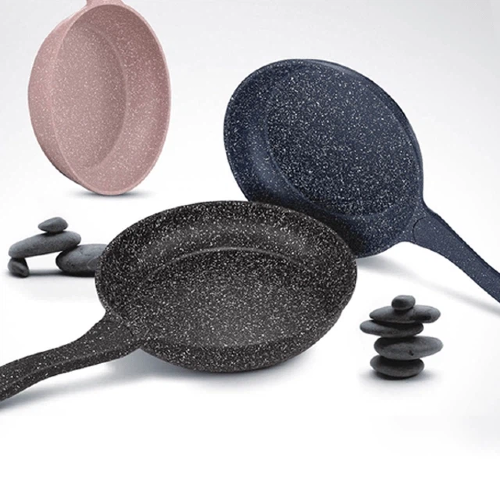
The most widely used material in non stick cookware is PTFE, a synthetic fluoropolymer made from carbon and fluorine atoms. This material is known for its extremely low friction coefficient and strong chemical stability.
The structure of PTFE forms a protective layer that repels water, oils, and many cooking ingredients. Because of this structure, food cannot easily attach to the surface of the coating. Instead, food slides across the pan with minimal resistance.
This property allows cooks to use less oil or butter when preparing meals. It also prevents delicate foods from breaking apart when removed from the pan. As a result, PTFE coatings are widely used in frying pans, baking trays, waffle plates, and many other kitchen appliances.
Another advantage of PTFE is its chemical inertness. It does not easily react with acids, salts, or oils found in food. This means sauces, marinades, and seasonings will not damage the coating during normal cooking.
Temperature resistance is another key feature. PTFE coatings remain stable during typical cooking temperatures. However, extremely high heat can damage the coating surface. Most manufacturers recommend keeping temperatures below about 260°C to maintain coating stability.
Because of its unique performance characteristics, PTFE remains the most common material used in non stick coatings worldwide.
Modern cookware coatings rarely rely on a single material layer. Instead, manufacturers create multi-layer coating systems that combine different materials for durability and performance.
A typical non stick coating structure includes three main layers.
The primer layer attaches directly to the metal surface of the cookware. This layer contains bonding materials that ensure strong adhesion between the coating and the metal base.
The reinforcement layer increases resistance to wear and scratching. Manufacturers may add ceramic particles, titanium compounds, or mineral fillers to strengthen the coating structure.
The topcoat layer provides the smooth surface that interacts with food. This layer contains the highest concentration of fluoropolymer material to maximize non stick performance.
This layered system improves durability while maintaining excellent cooking performance. It also helps prevent peeling or surface separation during repeated heating cycles.
Material | Function | Key Benefit |
PTFE fluoropolymer | Primary non stick surface | Very low friction |
Mineral or ceramic particles | Reinforcement | Improves durability |
Primer bonding layer | Adhesion to metal | Prevents peeling |
Protective top layer | Food release surface | Easy cooking and cleaning |
Before applying a non stick coating, manufacturers must carefully prepare the metal cookware surface. This preparation step ensures strong bonding between the coating and the base metal.The cookware body is usually made from aluminum or stainless steel. The surface is first cleaned to remove oils, dust, and residues from manufacturing.After cleaning, the surface undergoes sandblasting or mechanical roughening. This process creates microscopic textures on the metal surface. These tiny grooves allow the primer layer to anchor securely to the metal.Without proper surface preparation, the coating could peel or wear away quickly during cooking. Therefore, surface treatment is one of the most important steps in the coating process.
Once the surface is prepared, the non stick coating is applied using spray equipment or automated coating machines.The coating is applied layer by layer. Each layer performs a specific function.
First, the primer layer is sprayed onto the prepared metal surface. This layer ensures strong adhesion.
Next, reinforcement layers are applied to improve durability and scratch resistance.
Finally, the topcoat layer provides the smooth non stick surface used during cooking.
After each layer is applied, the cookware enters a curing oven. The high temperature allows the polymer molecules to bond together and form a stable coating structure.This curing process transforms the liquid coating into a solid and durable surface capable of withstanding repeated heating cycles.
Production Stage | Purpose |
Surface roughening | Improves adhesion |
Cleaning and degreasing | Removes contaminants |
Primer coating | Creates bonding layer |
Reinforced coating | Enhances durability |
Top non stick layer | Provides smooth cooking surface |
Heat curing | Hardens the coating structure |
Tip: Multi-layer coating systems usually last longer than single-layer coatings because they distribute mechanical stress across several layers instead of concentrating wear on a single surface.
The effectiveness of non stick coatings comes from their extremely low surface energy. The molecular structure of fluoropolymers prevents strong chemical bonding between the pan and the food.When food contacts the coating surface, it cannot easily attach to the pan. Instead, it slides across the surface with minimal resistance.This property makes non stick cookware especially useful for delicate foods such as eggs, fish, or crepes. These foods can easily break apart when cooked on traditional metal surfaces.Low friction also reduces the amount of oil required for cooking. Many dishes can be prepared using minimal fats, which supports healthier cooking habits.
Most non stick cookware uses aluminum as the base material. Aluminum is an excellent conductor of heat, which helps distribute heat evenly across the cooking surface.Even heat distribution prevents hot spots that may burn food. It also allows ingredients to cook more consistently.When combined with a smooth coating surface, this heat distribution creates a reliable cooking environment for everyday meals.Even heating also protects the coating itself. Localized overheating can damage coatings, so even heat flow improves durability.
Another advantage of non stick coatings is easy cleaning. Because food does not strongly adhere to the surface, residue can usually be removed with warm water and mild detergent.This feature saves time and effort during kitchen cleanup. It also reduces the need for harsh scrubbing tools that might damage cookware surfaces.The smooth coating surface also prevents food buildup, which can affect taste and hygiene.
Feature | Benefit |
Low friction surface | Food releases easily |
Minimal oil needed | Healthier cooking |
Even heat transfer | Consistent results |
Easy cleaning | Saves time and effort |
Ceramic coatings are an alternative to traditional fluoropolymer coatings. These coatings are usually produced through sol-gel technology.Sol-gel technology uses silicon compounds derived from natural minerals. These compounds form a liquid solution that can be applied to cookware surfaces.After curing at high temperatures, the solution forms a hard, glass-like coating. This surface provides some non stick properties and strong resistance to heat.Although ceramic coatings behave differently from PTFE coatings, they still create smooth surfaces suitable for cooking.
Ceramic coatings offer several advantages. One benefit is higher heat tolerance compared to some polymer coatings. This makes ceramic cookware suitable for certain high-temperature cooking techniques.Another advantage is resistance to staining. Ceramic surfaces are less likely to discolor after repeated cooking cycles.Ceramic coatings also provide attractive design possibilities because manufacturers can produce them in different colors and finishes.However, ceramic coatings may lose their non stick performance more quickly than PTFE coatings. Over time, the surface can become less slippery and require more oil for cooking.
Traditional fluoropolymer coatings focus on long-term durability and strong food release performance. Ceramic coatings focus more on mineral-based materials and heat resistance.Both coating types serve different cooking preferences. The choice depends on the user’s cooking style and maintenance expectations.
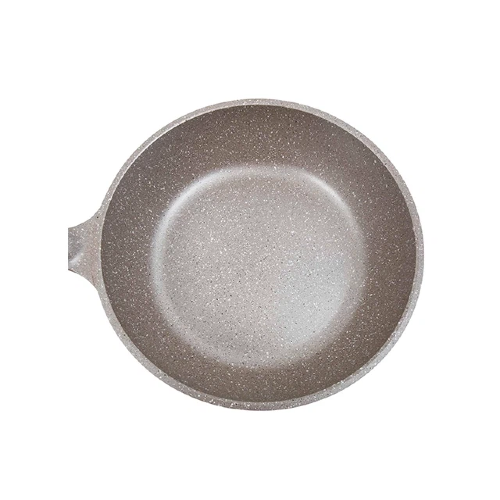
Cooking temperature plays a major role in preserving non stick coatings. Moderate heat is usually sufficient for most recipes.Extremely high heat can degrade the coating surface and shorten its lifespan. Gradual heating helps protect both the coating and the cookware structure.
Utensils made from wood, silicone, or nylon are recommended for non stick cookware. These materials reduce the risk of scratching the coating surface.Metal utensils can damage the coating when used repeatedly during cooking.
Cleaning methods also affect coating durability. Soft sponges and mild dish soap are recommended. Abrasive pads or steel wool can damage the surface.Allowing cookware to cool before washing also helps prevent thermal stress.
Tip: Placing a soft cloth between stacked pans helps protect the coating surface during storage.
Most non stick cookware uses PTFE with reinforced layers for durability and smooth cooking. These coatings reduce sticking and simplify cleaning while maintaining stable heat performance. Advanced coating systems from FLEAD offer strong release performance and reliable durability, helping cookware maintain consistent cooking results.
A: Most non stick coating is made of PTFE fluoropolymer combined with reinforced layers that improve durability and food release.
A: Materials used in non stick coating include PTFE polymers, primer bonding layers, and mineral or ceramic particles for strength.
A: Non stick coating is made by spraying multiple layers onto metal cookware and curing them at high temperatures.
A: Yes. Ceramic coatings use mineral-based materials, while PTFE non stick coating provides longer-lasting release performance.

How Can Hair Straightener Coating Keep Heating Plates Smooth?

How Can Water Based Fluorine-Free Coating Fit a Mass Spray Line?

How Can Three Layer Coating Stay Consistent in Continuous Production?

How Can Frying Pan Coating Balance Food Release and Wear Resistance?
Water Based Fluorine-Free Coating for Rice Cooker Inner Pots

How Non-Stick Coatings Are Manufactured Step by Step

How Nano Ceramic Coating Improves Cookware Performance

How Long Does Non-Stick Coating Last?

Single Layer vs Double Layer Coating: Key Differences

Applications of Non-Stick Coating in Kitchen Appliances

