


Views: 0 Author: Site Editor Publish Time: 2026-03-11 Origin: Site


Non stick pans are common in modern kitchens, but many still ask an important question: is non stick coating safe for everyday cooking? Concerns often focus on heat, chemicals, and cookware safety.
In this article, we explain how non stick coatings work and what affects their safety. You will learn about temperature limits, proper use, and smart cooking habits.
Reliable coating technologies from brands such as FLEAD also support durable and stable cookware performance. Learn more about our products and coating solutions.
A non stick coating is a thin surface layer applied to cookware. Its purpose is to reduce friction and prevent food from sticking. Most coatings are made from synthetic polymers. These materials create an extremely smooth surface that food cannot easily bond with.
The coating is usually applied to metal cookware such as aluminum or steel. During manufacturing, the coating bonds to the metal surface through heat and pressure. This process forms a durable layer that resists both chemical reactions and physical wear.
Because of this structure, the coating performs several functions at once. It reduces sticking, improves cleaning efficiency, and lowers the amount of oil needed for cooking.
The secret behind non stick coating lies in surface energy. Materials with very low surface energy prevent other substances from adhering to them. When food contacts the surface, it cannot form strong bonds.
Instead of sticking, food slides across the pan. This property is useful for delicate ingredients like eggs or fish. It also reduces the chance of burning or uneven cooking.
Another advantage is easier cleaning. Since food residue does not strongly attach to the surface, washing requires minimal effort.
Several types of materials create non stick surfaces. The most common is fluoropolymer coating. It provides excellent release performance and durability.
Another option is ceramic-based coating. Ceramic coatings use mineral compounds to create a smooth surface. These coatings usually tolerate higher heat but may lose non stick performance faster over time.
In industrial applications, specialized coating manufacturers also develop food grade PTFE coatings and silicone-based non stick coatings designed for cookware, baking molds, and other kitchen equipment. These coatings aim to balance release performance, abrasion resistance, and temperature stability.
The choice of material affects durability, heat tolerance, and environmental impact.
Coating Type | Main Composition | Heat Resistance | Durability |
Fluoropolymer | Carbon and fluorine polymer | Up to about 260°C | High |
Ceramic | Mineral and silicone compounds | Higher temperature tolerance | Medium |
Hybrid coatings | Mixed polymer structures | Moderate | Medium |
Most research indicates that modern non stick coatings are stable during normal cooking. They do not react with food or release harmful substances at standard temperatures.Because of this stability, many kitchens rely on non stick cookware for daily cooking tasks.
The key factor in safety is temperature. Most coatings remain stable at moderate heat. When temperature rises beyond safe limits, the polymer structure may begin to degrade.Studies suggest that degradation can occur when temperatures exceed approximately 260°C. At that point, fumes may be released into the air.
Typical cooking methods rarely reach extreme temperatures. Frying eggs or sautéing vegetables usually stays below the degradation threshold. As a result, everyday cooking does not normally damage the coating.
Public concern often comes from chemical terminology. Words like fluoropolymer or PFAS can sound alarming. However, many of these materials are chemically stable when used properly.Misuse, such as overheating empty pans, is usually the main reason problems occur.
Correct cooking methods protect the coating. Excessive heat or scratched surfaces can reduce safety.Understanding proper use helps maintain both performance and safety.
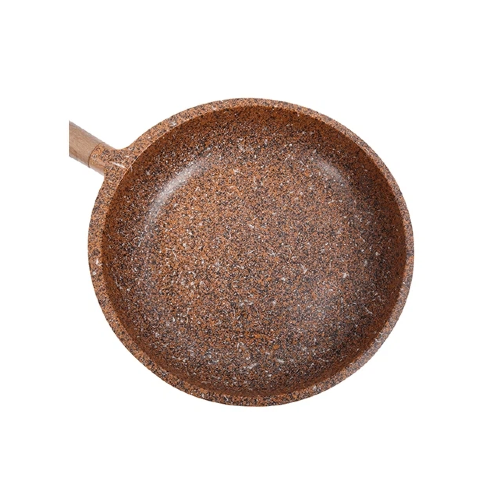
Fluoropolymers are synthetic materials made from carbon and fluorine atoms. Their structure forms very strong chemical bonds. This makes them resistant to heat and chemical reactions.Because of this stability, they are used in many industries beyond cookware.
Today, cookware coatings are produced under strict environmental and food safety regulations. Manufacturers focus on improving chemical stability and minimizing emissions during production.Many modern coating suppliers emphasize international food contact compliance and environmentally responsible formulations, helping ensure coatings meet regulatory standards used in global markets.These improvements have significantly strengthened the safety profile of modern non stick coatings.
When coatings are overheated far beyond recommended temperatures, fumes may form. These fumes may cause temporary flu-like symptoms if inhaled.However, such exposure typically occurs only under extreme conditions.
Another concern involves microscopic particles. When cookware surfaces are scratched, tiny particles may separate from the coating.Research is still ongoing to understand the long-term effects of this exposure.
Some fluorinated materials can remain in the environment for long periods. Because they break down slowly, scientists continue studying their environmental impact.Most of these concerns relate more to industrial processes than to normal household cooking.
Every coating has a temperature limit. For most non stick cookware, the safe range remains below about 260°C. Within this range, the coating structure stays stable and continues to provide smooth release performance. When cooking temperatures stay moderate, the coating surface does not react with food and maintains its durability.
However, if temperatures exceed this threshold, the polymer structure of the coating may begin to break down. This degradation can reduce the non stick effect and may produce fumes that indicate the surface has been overheated. Repeated overheating can also weaken the bond between the coating and the metal substrate. Over time, this may lead to surface wear or loss of non stick performance.
For this reason, maintaining controlled cooking temperatures is one of the most important factors in keeping non stick cookware safe and effective for long-term use.
Heating an empty pan can raise temperatures very quickly. Without food, oil, or liquid to absorb heat energy, the metal base and coating layer heat up rapidly. In some cases, a pan placed on a high burner may exceed safe temperatures in just a few minutes.
This sudden temperature increase creates thermal stress on the coating surface. Rapid heating may weaken the protective layer and reduce its ability to resist wear. In addition, overheating can shorten the overall lifespan of the cookware.
Adding oil, butter, or ingredients early in the cooking process helps regulate heat transfer. Food absorbs energy and distributes it more evenly across the surface. This reduces the risk of temperature spikes and keeps the coating operating within its safe range.
Some cooking techniques naturally generate very high temperatures. Methods such as broiling, grilling, or direct flame cooking can exceed the recommended heat limits for most non stick coatings. These techniques are designed to produce intense heat for searing or rapid cooking.
When cookware is exposed to extremely high heat, the coating may lose its structural stability. Over time, repeated exposure to these temperatures can cause discoloration, reduced release performance, or surface damage.
For cooking methods that require extreme heat, materials such as stainless steel or cast iron are often better choices. These materials tolerate high temperatures without compromising surface integrity. Using the right cookware for each cooking style helps protect both safety and performance.
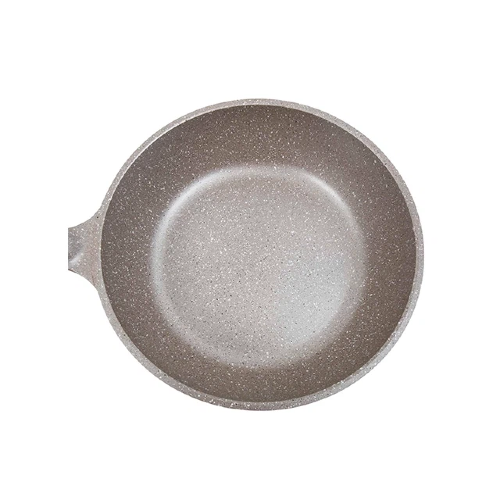
Moderate heat is ideal for non stick cookware. The coating is designed to perform efficiently without requiring extreme heat levels. Cooking on medium or low heat allows food to cook evenly while protecting the coating surface.
Another advantage of moderate heat is improved energy efficiency. Because non stick coatings transfer heat effectively, food often cooks faster than expected. Lower temperatures can therefore achieve the same results while extending cookware life.
Physical damage is another factor that affects coating safety. Scratches can weaken the protective layer and reduce its smooth release properties. Metal utensils, knives, or sharp tools can easily damage the surface.
Using wooden, silicone, or nylon utensils helps prevent scratching. These materials are gentle on the coating and maintain the smooth cooking surface. Avoiding abrasive contact helps preserve the integrity of the cookware.
Cleaning methods also influence the longevity of non stick coatings. After cooking, allowing the pan to cool before washing helps prevent thermal shock. Sudden temperature changes can stress the metal base and coating layer.
When washing, a soft sponge and mild detergent are usually sufficient. Harsh scouring pads or abrasive powders may scratch the coating and shorten its lifespan. Gentle cleaning maintains the surface and keeps the non stick layer functioning effectively.
Over time, even well-maintained cookware may show signs of wear. If the coating becomes heavily scratched, chipped, or begins to peel, replacement may be necessary. A damaged surface may not perform properly and could affect cooking safety.Regular inspection helps determine when cookware should be replaced. Small cosmetic marks are usually harmless, but significant flaking or exposed metal may indicate the coating has reached the end of its useful life.
Tip: Replace cookware when visible flaking appears. Damaged coatings reduce both safety and cooking performance.
Practice | Benefit |
Use medium heat | Prevents overheating |
Avoid empty preheating | Reduces rapid temperature spikes |
Use soft utensils | Protects coating surface |
Wash gently | Maintains coating lifespan |
Stainless steel cookware is widely used in professional kitchens because of its durability. It resists scratching, corrosion, and extreme heat. This material can handle high-temperature cooking methods such as searing or broiling.However, stainless steel surfaces do not have natural non stick properties. Cooking often requires more oil or careful temperature control to prevent food from sticking. Despite this, stainless steel remains one of the most durable cookware materials available.
Cast iron cookware is known for excellent heat retention. Once heated, it distributes heat evenly and maintains stable cooking temperatures. When properly seasoned, cast iron can develop a natural non stick surface.Seasoning involves applying oil and heating the pan to create a protective layer. Over time, this layer becomes smoother and improves cooking performance. Cast iron cookware is extremely durable and can last for decades with proper care.
Ceramic coatings offer an alternative non stick surface created from mineral compounds. These coatings do not rely on fluoropolymers and are often marketed as high-temperature resistant surfaces.
Ceramic coatings typically tolerate higher cooking temperatures than many traditional non stick coatings. However, their release performance may decrease faster with frequent use. Regular care and moderate heat help maintain their effectiveness.
Each cookware material offers unique advantages. Choosing the right option depends on cooking style, temperature requirements, and maintenance preferences.
Material | Non Stick Performance | Heat Resistance | Durability |
Non stick coating | Excellent | Medium | Moderate |
Stainless steel | Low | Very high | Very high |
Cast iron | Medium after seasoning | Very high | Very high |
Ceramic coating | Good initially | High | Moderate |
Note: Each material suits different cooking styles and temperature ranges.
In most kitchens, non stick coating is safe when used correctly and kept below high heat. Proper care and moderate cooking protect the coating and maintain performance. Modern food grade coatings focus on durability, stability, and easy cleaning. Reliable solutions from FLEAD help deliver consistent non stick performance and long-lasting cookware value.
A: Yes, non stick coating is safe when used at normal cooking temperatures and not overheated.
A: PTFE non stick coating is safe under about 260°C. Higher heat may degrade the coating.
A: Cook at medium heat, avoid scratching the surface, and replace damaged cookware.
A: Non stick coatings offer easy cooking and cleaning, while materials like stainless steel handle higher heat.

How Can Hair Straightener Coating Keep Heating Plates Smooth?

How Can Water Based Fluorine-Free Coating Fit a Mass Spray Line?

How Can Three Layer Coating Stay Consistent in Continuous Production?

How Can Frying Pan Coating Balance Food Release and Wear Resistance?
Water Based Fluorine-Free Coating for Rice Cooker Inner Pots

How Non-Stick Coatings Are Manufactured Step by Step

How Nano Ceramic Coating Improves Cookware Performance

How Long Does Non-Stick Coating Last?

Single Layer vs Double Layer Coating: Key Differences

Applications of Non-Stick Coating in Kitchen Appliances

