


Views: 0 Author: Site Editor Publish Time: 2026-03-09 Origin: Site


Ever wonder how long non stick coating lasts? At first, food slides easily, but over time sticking begins. The non stick coating lifespan depends on heat, cleaning habits, and coating quality. In this guide, you will learn what affects non stick coating durability and how to extend coating life. Some advanced coatings, including options from FLEAD, are designed for longer performance. Learn more about our products.
Most non-stick cookware lasts between 1 and 5 years under normal household use. Lower-quality coatings may begin wearing out earlier. Premium cookware with multi-layer coatings can last longer when maintained properly.
Many coated pans deliver their best performance during the first few years. Over time, daily cooking and cleaning slowly wear down the surface.
For households that cook several times per week, the coating generally maintains optimal performance for two to three years before gradual decline begins.
After this period, users often notice increased sticking or uneven cooking.
Cookware quality has a major influence on durability.
Coating Quality | Typical Lifespan | Performance Stability | Replacement Frequency |
Budget coating | 1–2 years | Declines quickly | High |
Mid-range coating | 2–4 years | Moderate stability | Medium |
Premium multi-layer coating | 3–5 years or more | Higher durability | Low |
Industrial-grade coatings, including those produced by manufacturers like FLEAD, often improve abrasion resistance and release performance through reinforced fluoropolymer layers.
Frequency also matters. A pan used daily for breakfast and dinner experiences more wear than cookware used occasionally.
Usage Frequency | Estimated Lifespan |
Daily cooking | 1–3 years |
Moderate use | 2–4 years |
Occasional use | 3–5 years |
Manufacturing processes differ widely across cookware brands, and these differences directly influence how long a non-stick coating lasts. While two pans may appear similar on the surface, the underlying coating technology and application methods can vary significantly.
Some manufacturers apply thicker multi-layer coatings that include primer, mid-layer reinforcement, and a top non-stick layer. This layered structure improves adhesion to the base metal and helps the coating resist abrasion during everyday cooking. In contrast, cheaper cookware often uses a thinner single-layer coating, which may wear down faster after repeated heating and cleaning cycles.
Bonding technology also plays an important role. Advanced coating systems rely on precise surface preparation and high-temperature curing processes to ensure the coating bonds tightly to the pan base. Without proper bonding, coatings can begin to chip or peel prematurely.
Another factor is the quality of the raw materials used in the coating formulation. High-performance fluoropolymer coatings, such as those developed by specialized coating manufacturers like FLEAD, are designed to balance release performance, abrasion resistance, and environmental compliance. These formulations often undergo rigorous testing to ensure consistent performance across thousands of cooking cycles.
For this reason, two pans with similar designs may perform very differently over time. Differences in coating thickness, curing methods, and material quality explain why non stick coating durability varies even among cookware that looks almost identical.
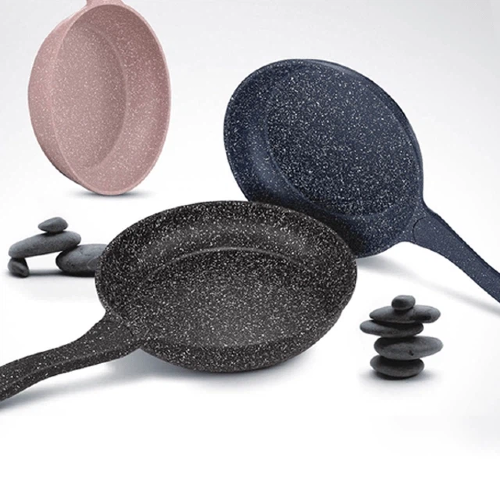
The material used in the coating plays the biggest role in determining how long a non-stick surface will remain effective.PTFE-based coatings are the most common type used in cookware. They offer excellent food release and smooth cooking performance, which is why they are widely used in frying pans, bakeware, and kitchen appliances. However, like all polymer coatings, PTFE gradually wears down due to mechanical friction and thermal stress.Ceramic coatings represent another popular option. These coatings are often marketed as environmentally friendly alternatives and can withstand higher temperatures. However, ceramic surfaces may lose their slickness faster than PTFE if exposed to frequent cooking cycles.In recent years, advanced coating formulations have emerged to improve durability and sustainability. Water-based PTFE coatings developed by specialized manufacturers such as FLEAD are designed to reduce VOC emissions while maintaining strong non-stick performance and wear resistance. These coatings are widely used in cookware, baking molds, and industrial food-processing equipment.
The coating material therefore determines not only cooking performance but also resistance to scratching, heat degradation, and long-term wear.
Heat exposure is one of the most common reasons non-stick coatings deteriorate prematurely.Non-stick coatings perform best under low to medium cooking temperatures. When pans are exposed to excessive heat, the coating structure can begin to weaken. Prolonged exposure to temperatures above about 250 °C may accelerate chemical degradation and reduce the surface’s ability to release food.Overheating also causes microscopic structural changes within the coating layers. As these changes accumulate over time, the coating may lose smoothness and develop areas where food sticks more easily.Another common problem occurs when empty pans are heated on high heat. Without oil or food to absorb the heat, the temperature of the pan surface can rise rapidly, increasing stress on the coating.Maintaining moderate cooking temperatures therefore plays a key role in extending the life of non-stick cookware.
Utensil choice significantly affects the durability of non-stick coatings.Metal utensils can scratch the coating surface during cooking or stirring. Even small scratches weaken the protective layer and make it easier for further damage to occur. Over time, repeated abrasion can create rough spots that reduce the non-stick effect.Wooden, silicone, or nylon utensils are much gentler on the surface. These materials reduce friction and help prevent mechanical damage to the coating.In professional kitchens, many chefs keep separate utensils specifically for non-stick cookware to prevent accidental scratches. This simple habit can significantly extend the lifespan of the coating.
Cleaning practices also influence the average life of non stick coating.Although some pans are labeled dishwasher-safe, repeated dishwasher cycles expose the cookware to high heat and strong detergents. Over time this can weaken the coating layer and reduce its performance.Using abrasive scrubbers such as steel wool or rough scouring pads can also damage the surface. These tools create micro-scratches that gradually wear down the coating.Gentle hand washing with warm water, mild soap, and a soft sponge helps preserve the coating for longer. Allowing the pan to cool before cleaning is also recommended, as sudden temperature changes can stress the coating and base metal.
One of the earliest signs of coating deterioration is food beginning to stick to the pan.If eggs, pancakes, or delicate foods no longer slide easily across the surface, the coating may have lost part of its non-stick function. This often occurs gradually as the coating wears down from repeated cooking cycles.Many users try adding more oil to compensate, but persistent sticking usually indicates that the coating has reached the end of its optimal lifespan.
Surface scratches are another clear sign of damage. While small scratches may not immediately affect cooking performance, deeper scratches weaken the protective coating layers.Once the coating begins to peel or chip, the surface integrity is compromised. At this point the non-stick layer can no longer perform as intended, and replacement of the cookware is recommended.
Non-stick coatings themselves do not rust. Rust appears only when the coating has worn away enough to expose the metal base beneath.If rust becomes visible along the edges or surface of a pan, it indicates that the protective coating layer has been damaged. At this stage the cookware has typically reached the end of its usable lifespan.
Discoloration does not always indicate immediate failure, but it can signal overheating or long-term wear.Dark spots may appear where oil residues have baked into the surface or where the coating has become thinner. When these areas become uneven, cooking performance may decline.
Note: once the coating layer is compromised, deterioration often accelerates quickly. Replacing the cookware may be the safest option.
Metal spatulas and spoons can scratch the coating during normal cooking. Over time these scratches expand and weaken the coating structure.Repeated abrasion eventually leads to peeling or loss of non-stick performance.
High heat causes structural changes within the coating material. Repeated overheating accelerates wear and reduces durability.Many non-stick coatings are designed for moderate heat cooking rather than high-temperature searing.
Steel wool, stiff brushes, and abrasive scrubbers can remove the coating layer during cleaning.Soft sponges or cloths are recommended to protect the surface.
Stacking cookware without protection can scratch the coating. When pans rub against each other during storage, the friction gradually damages the surface.Using pan protectors or soft cloths between stacked pans helps prevent this type of wear.
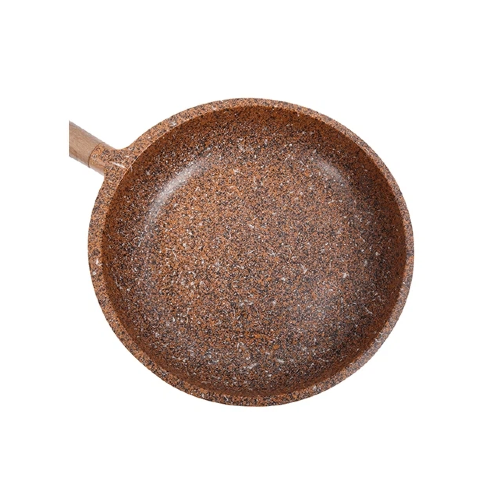
Choosing the correct cooking utensils is one of the easiest ways to extend the life of non-stick cookware. Hard or sharp tools can scratch the surface during normal cooking, gradually weakening the protective coating layer.Silicone, nylon, and wooden utensils are widely recommended for non-stick pans because they are softer materials that do not damage the coating. These utensils glide smoothly across the cooking surface and help prevent abrasion during stirring or flipping food.
Many home cooks unintentionally damage their cookware by switching between metal and non-stick pans using the same utensils. Over time, even small scratches accumulate and reduce the non-stick effect.
Tip: keep a separate set of utensils specifically for non-stick cookware. This simple habit can significantly reduce accidental scratches and help the coating last longer.
Temperature control is another critical factor in maintaining the durability of non-stick coatings. Most non-stick cookware is designed to perform best at low to medium heat levels, which are sufficient for everyday cooking tasks such as frying eggs, sautéing vegetables, or preparing pancakes.
Cooking at very high temperatures can gradually weaken the coating structure. When the surface becomes overheated, microscopic changes may occur within the coating material, reducing its smoothness and food release properties.Another common mistake is preheating an empty pan on high heat. Without food or oil to absorb heat, the pan temperature rises quickly and can stress the coating.
Cooking slowly at moderate temperatures not only protects the coating but also improves food texture and reduces the risk of burning.
Cleaning habits also play a major role in determining how long a non-stick coating remains effective.Although many cookware products are labeled dishwasher-safe, repeated dishwasher cycles expose the pan to strong detergents and high heat. Over time, this environment can weaken the coating and reduce its non-stick performance.Hand washing is generally the safest method. Warm water, mild dish soap, and a soft sponge are sufficient to remove grease and food residues without damaging the surface.Allowing the pan to cool before washing is also recommended. Rapid temperature changes caused by placing a hot pan under cold water may stress both the coating and the base metal.
Proper storage is often overlooked but can greatly influence the lifespan of cookware.When non-stick pans are stacked directly on top of each other, the edges and bottoms of other pans can scratch the coating. These scratches may not be immediately visible but gradually accumulate and weaken the surface.Using soft cloths, paper towels, or dedicated pan protectors between stacked cookware helps prevent direct contact. Hanging pans on hooks is another effective storage solution that avoids friction between surfaces.Good storage habits protect the coating and help maintain smooth cooking performance over time.
Maintenance Practice | Effect on Lifespan |
Gentle hand washing | Extends coating life |
Low-medium heat cooking | Preserves coating |
Soft utensils | Prevents scratches |
Protected storage | Reduces wear |
Different cookware materials offer different levels of durability, maintenance requirements, and cooking performance. Understanding these differences helps consumers choose the right cookware for their kitchen.
Non-stick cookware is valued for its convenience and easy food release. However, other materials such as stainless steel or cast iron may last significantly longer because they do not rely on a coating layer.
Cookware Type | Average Lifespan | Maintenance Level | Non-Stick Performance |
Non-stick coating pans | 1–5 years | Moderate | Excellent initially |
Stainless steel | 10–20 years | Moderate | Technique dependent |
Cast iron | Decades | High | Natural seasoning |
Titanium cookware | Decades or lifetime | Low | Naturally low-stick |
Non-stick pans provide convenience and easy cleanup. However, other cookware materials offer longer durability.
Note: many professional kitchens combine different cookware types to balance convenience, durability, and cooking performance.
When non-stick coatings degrade, small particles may detach from the surface during cooking. These particles are usually microscopic and may mix with food without being immediately visible. While occasional minor wear is common over time, excessive deterioration can reduce the overall safety and performance of the cookware.
High temperatures can also accelerate chemical changes within the coating material. When a non-stick pan is repeatedly exposed to excessive heat, the polymer structure of the coating may gradually break down. As the coating deteriorates, its smooth surface becomes rougher, which reduces the non-stick effect and increases the likelihood of food sticking.
Another issue related to degraded coatings is uneven heat distribution. When the coating becomes worn in certain areas, the pan may develop hot spots. These hot spots can affect cooking results and may increase the risk of burning food.
To minimize these risks, it is important to regularly inspect cookware for signs of wear. If the surface becomes rough, scratched, or visibly damaged, it may be time to replace the pan.
Cookware with severely damaged coatings should not be used for regular cooking. When the coating begins to peel or flake, the protective layer that prevents food from sticking is no longer intact. This can lead to inconsistent cooking performance and make cleaning more difficult.
Peeling coatings also expose the metal base of the pan. Once the base metal becomes visible, the cookware may become more susceptible to corrosion or rust over time. This not only affects durability but can also alter the flavor and appearance of cooked food.
Another concern is that loose coating fragments may detach during cooking. While small particles are unlikely to cause immediate harm, they can affect food quality and hygiene standards in the kitchen.
Replacing worn cookware ensures better cooking performance and helps maintain a safer cooking environment.
Overheating is one of the most common causes of non-stick coating failure. When a pan is exposed to extremely high temperatures for extended periods, the coating may degrade faster than expected.
For example, placing an empty non-stick pan on high heat can rapidly raise the surface temperature beyond recommended limits. Without oil or food to absorb heat, the pan can become extremely hot within minutes. This sudden heat exposure stresses the coating and may lead to discoloration, surface damage, or chemical breakdown.
In some cases, overheated coatings may release fumes that can irritate the respiratory system. Although this usually occurs only at very high temperatures, it highlights the importance of proper temperature control when using non-stick cookware.
Most manufacturers therefore recommend cooking at low to medium heat levels to preserve both safety and coating durability.
Multi-layer coating systems are generally more durable than single-layer coatings. These systems usually consist of several functional layers that work together to improve performance.
The base primer layer enhances adhesion between the coating and the metal pan. A reinforcement layer increases resistance to scratches and mechanical wear. Finally, the top layer provides the smooth, non-stick surface that allows food to release easily.
Because these layers share different roles, multi-layer coatings are better able to withstand repeated cooking and cleaning cycles. This structure helps extend the overall lifespan of non-stick cookware.
Heat resistance is another important factor when selecting cookware. Different coatings have different maximum temperature limits, and exceeding these limits can shorten the lifespan of the coating.
Many high-quality non-stick coatings are engineered to tolerate moderate cooking temperatures without losing performance. Cookware designed with higher heat tolerance often maintains its coating structure longer under normal kitchen conditions.
Before purchasing cookware, it is helpful to review the manufacturer’s recommended cooking temperatures. Choosing cookware designed for stable thermal performance helps prevent premature coating degradation.
The reputation of a cookware brand often reflects the quality of its manufacturing process and coating technology. Established manufacturers typically invest more in research, product testing, and quality control.
High-quality coating systems require precise application methods, controlled curing temperatures, and strict inspection procedures. These factors ensure that the coating bonds firmly to the cookware surface and performs consistently during long-term use.
Companies specializing in coating technologies, such as FLEAD, focus on developing food-grade non-stick coatings that combine strong release performance with improved abrasion resistance. Such coating systems are designed to meet international food safety standards while maintaining long-term durability.
Choosing cookware from reputable brands increases the likelihood of receiving products with reliable coating performance.
Although non-stick cookware is extremely convenient, many households choose to combine it with other cookware materials to improve overall kitchen durability.
Stainless steel pans are highly resistant to scratches and corrosion, making them ideal for high-heat cooking tasks such as searing meat. Cast iron cookware is another long-lasting option that can last for decades when properly seasoned and maintained.
Titanium cookware offers excellent strength and corrosion resistance, and it often provides natural low-stick performance without relying entirely on coatings.
Using a mix of cookware materials allows each pan to serve a specific cooking purpose. This approach reduces heavy wear on non-stick cookware and helps extend its lifespan.
Tip: using multiple cookware types in the kitchen can reduce wear on non-stick pans and extend their overall lifespan.
Non stick coating usually lasts one to five years. Lifespan depends on coating quality, heat, and care. Gentle use and proper cleaning extend coating durability. Advanced food-grade coatings from FLEAD offer strong release, durability, and reliable cooking performance.
A: The non stick coating lifespan is usually 1–5 years. The exact time depends on coating quality, cooking heat, and maintenance habits.
A: Non stick coating durability decreases due to high heat, metal utensils, and abrasive cleaning. These factors gradually damage the coating surface.
A: Use soft utensils, cook at moderate heat, and wash gently. These habits help extend the average life of non stick coating.
A: Replace it when food sticks easily, scratches appear, or coating peels. These signs show the non stick coating lifespan has ended.

How Can Hair Straightener Coating Keep Heating Plates Smooth?

How Can Water Based Fluorine-Free Coating Fit a Mass Spray Line?

How Can Three Layer Coating Stay Consistent in Continuous Production?

How Can Frying Pan Coating Balance Food Release and Wear Resistance?
Water Based Fluorine-Free Coating for Rice Cooker Inner Pots

How Non-Stick Coatings Are Manufactured Step by Step

How Nano Ceramic Coating Improves Cookware Performance

How Long Does Non-Stick Coating Last?

Single Layer vs Double Layer Coating: Key Differences

Applications of Non-Stick Coating in Kitchen Appliances

