


Views: 0 Author: Site Editor Publish Time: 2026-01-16 Origin: Site


Non-stick cookware has been a staple in many kitchens for decades. The convenience, ease of use, and quick cleanup make it an essential tool for cooking. One of the most common non-stick materials is Teflon, but recently, alternatives like titanium non-stick coatings have gained popularity. But is titanium non-stick coating truly safe? How does it compare to other non-stick materials, and what are its unique advantages?
In this article, we will explore the safety of titanium non-stick coatings, their benefits, and how they stack up against other popular non-stick coatings. We will also address potential concerns, provide comparison data, and help you make an informed decision about whether titanium non-stick cookware is the right choice for you.
A non-stick coating refers to a layer applied to the surface of cookware, designed to prevent food from sticking during cooking. Non-stick coatings allow food to be cooked with minimal oil or fat, reducing overall calories and improving the ease of cooking and cleaning.
Over time, the non-stick coating market has evolved significantly, with a variety of materials and technologies now available. The most popular non-stick coatings today include PTFE (Teflon), ceramic, silicone, titanium, and enamel. Each of these coatings has unique properties, and understanding the differences is key to selecting the right type of cookware for your needs.
Non-stick coatings are widely valued for their practical advantages, including:
Ease of Cleaning: The smooth surface created by non-stick coatings prevents food particles from adhering to the pan, making cleanup a breeze. Unlike traditional cookware, non-stick cookware typically only requires a gentle wipe or rinse to remove food.
Healthier Cooking: Non-stick coatings require less oil or fat for cooking, which helps reduce the fat content in meals. This is especially beneficial for people trying to manage their calorie intake or maintain a healthier diet.
Time Efficiency: Non-stick cookware heats quickly and evenly, reducing cooking time. Additionally, the ability to cook with less fat means food cooks faster, saving valuable time in the kitchen.
Longer Durability: High-quality non-stick coatings are designed to last for years, maintaining their performance with proper care.
These benefits contribute to why non-stick cookware is considered essential by home cooks and professional chefs alike.
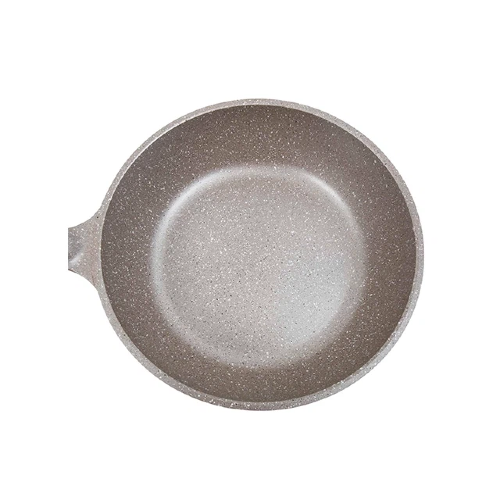
Titanium non-stick coatings are a more recent innovation in the world of non-stick cookware. Unlike traditional PTFE-based coatings, titanium non-stick coatings are made with a blend of titanium particles and ceramic elements. The titanium enhances the durability, scratch resistance, and overall performance of the cookware, making it a more robust alternative.
Titanium non-stick coatings are often marketed as being long-lasting, highly resistant to scratches, and environmentally friendly due to their non-toxic nature. They also have superior heat resistance, allowing them to be used at higher temperatures without compromising the integrity of the coating.
Titanium coatings are applied using advanced processes that bond the titanium particles with a ceramic base. This results in a surface that is not only non-stick but also highly durable and heat-resistant. Titanium non-stick coatings are commonly used on frying pans, griddles, bakeware, and woks. They offer an alternative to traditional non-stick coatings while providing an enhanced cooking experience.
Durability: Titanium coatings are extremely hard and resistant to scratches and abrasions, making them more durable than traditional PTFE coatings.
Heat Resistance: Titanium coatings are capable of withstanding high temperatures, typically up to 450°F (232°C), making them suitable for various cooking methods, including searing and frying.
Non-Toxic: Titanium non-stick coatings are free from harmful chemicals like PFOA and PFOS, which have been associated with health risks in some older non-stick materials.
Long-lasting: The combination of titanium and ceramic makes the coating highly resistant to wear and tear, extending the lifespan of the cookware.
Titanium non-stick coatings are generally considered safe due to their composition. Unlike Teflon and other PTFE-based coatings, titanium non-stick cookware does not contain harmful chemicals like PFOA (Perfluorooctanoic acid), which has raised health concerns in the past.
Titanium is a naturally non-reactive metal, which means it does not interact with food. When used in non-stick coatings, titanium enhances the cookware’s durability and resistance to high heat without releasing any harmful particles or chemicals during cooking.
Moreover, the ceramic components in titanium coatings further ensure that the cookware is free from toxins and does not degrade at high temperatures. This makes titanium-coated cookware a safe alternative to traditional non-stick cookware.
Titanium non-stick cookware is subject to stringent safety regulations and certifications, ensuring that it meets health and safety standards. Many titanium non-stick cookware products are PFOA-free and PFOS-free, meeting the requirements set by organizations like the FDA (U.S. Food and Drug Administration) and LFGB (Germany’s Food, Commodities, and Feed Law).
By adhering to these standards, titanium cookware provides a safer cooking environment while offering high performance and longevity.
Property | Titanium Non-Stick | Teflon (PTFE) |
Durability | Highly scratch-resistant, more durable | Can scratch easily, less durable |
Heat Resistance | Up to 450°F (232°C) | Up to 500°F (260°C) |
Health Safety | Free from PFOA, PFOS, and toxic chemicals | Potential risks from PFOA when overheated |
Non-Toxic | Non-reactive, no harmful chemicals | Can release harmful fumes if overheated |
Environmental Impact | Eco-friendly, non-toxic coating | Previously linked to environmental concerns with PFOA |
While Teflon has been a popular choice for non-stick cookware for decades, titanium non-stick coatings are considered more durable and eco-friendly. However, Teflon can withstand slightly higher temperatures, making it ideal for certain high-heat cooking techniques.
Property | Titanium Non-Stick | Ceramic Non-Stick |
Durability | More durable, scratch-resistant | Less durable, can wear over time |
Heat Resistance | Can handle higher temperatures | Generally handles lower temperatures |
Health Safety | Free from harmful chemicals | Free from PTFE/PFOA, but can degrade over time |
Non-Toxic | Non-reactive, no harmful chemicals | Non-toxic, but can release particles at high heat |
Environmental Impact | Eco-friendly, non-toxic coating | Eco-friendly, no harmful chemicals |
Ceramic coatings are often considered safer but tend to be less durable than titanium. Ceramic cookware can degrade over time, especially if exposed to high temperatures, whereas titanium coatings remain more durable and resilient.
Property | Titanium Non-Stick | Silicone Non-Stick |
Durability | Extremely durable, resistant to scratches | Flexible but not as durable |
Heat Resistance | Can withstand high temperatures | Handles temperatures up to 450°F (232°C) |
Health Safety | Free from harmful chemicals | Free from harmful chemicals, non-toxic |
Non-Toxic | Non-reactive, safe for cooking | Non-toxic, safe for food |
Environmental Impact | Eco-friendly, non-toxic coating | Non-toxic, eco-friendly |
While silicone non-stick coatings are flexible and non-toxic, they do not offer the same level of durability and heat resistance as titanium non-stick coatings. Silicone is best suited for baking and other low-heat applications, while titanium cookware is more versatile for a range of cooking techniques.
One of the standout features of titanium non-stick coatings is their exceptional durability. Unlike Teflon, which can scratch easily and degrade over time, titanium coatings are much more resistant to scratches, abrasions, and other forms of damage. This makes them an ideal choice for everyday use in the kitchen.
Titanium non-stick coatings are also more heat-resistant than traditional non-stick coatings, meaning they can withstand higher cooking temperatures without compromising their non-stick properties. This is especially beneficial for those who cook using high-heat methods like searing, frying, or baking.
To maintain the longevity of titanium-coated cookware, it is important to use utensils that do not scratch the surface, such as wooden or silicone spatulas, and to avoid using metal utensils.
While titanium non-stick coatings are generally considered safe, there are still potential concerns that consumers should be aware of:
Chipping or Peeling: Though titanium coatings are highly resistant to damage, extreme physical impacts (like dropping the cookware) can still cause the coating to chip or peel. If this happens, the non-stick surface may no longer perform optimally.
Overheating: Even though titanium non-stick coatings are highly heat-resistant, any non-stick surface can degrade at extremely high temperatures. It is important to follow the manufacturer's guidelines regarding the maximum temperature to prevent any potential damage.
By following the care instructions and avoiding overheating, these risks can be minimized, allowing you to enjoy the full benefits of your titanium non-stick cookware for years to come.
Titanium non-stick coatings offer a safe, durable, and eco-friendly alternative to traditional non-stick cookware. Known for their high heat resistance, scratch resistance, and non-toxic properties, titanium-coated cookware is a great choice for those seeking a long-lasting, safe, and performance-driven non-stick option.
For those who are concerned about the health and environmental risks associated with conventional non-stick coatings, titanium cookware provides a reliable and safer solution. It delivers excellent cooking performance without compromising on safety. With proper care and attention, you can maximize the lifespan of your titanium cookware and continue to enjoy healthier meals with ease.
At Zhongshan Flead Coatings Co., Ltd., we specialize in providing cutting-edge non-stick coatings, including titanium-enhanced solutions. Our products are designed with durability and safety in mind, offering you top-quality cookware that meets your cooking needs. Feel free to reach out to us for more information or assistance in selecting the ideal non-stick solution for your kitchen.
Titanium coatings are more durable, heat-resistant, and scratch-resistant compared to Teflon (PTFE). While Teflon can break down at high temperatures, titanium is more stable and non-reactive at elevated heat levels.
Yes, titanium non-stick coatings can withstand temperatures up to 450°F (232°C) without losing their non-stick properties, making them safe for various cooking methods, including frying and searing.
No, titanium non-stick coatings do not contain harmful chemicals like PFOA or PTFE, which are found in some older non-stick materials.
To maintain the durability of titanium non-stick cookware, avoid using metal utensils and clean the cookware gently. Always follow the manufacturer’s care instructions to ensure the cookware lasts as long as possible.
Titanium cookware is more durable and resistant to scratches, while ceramic cookware is typically safer but can wear out faster. Titanium coatings are more heat-resistant, making them a better choice for high-heat cooking.

How Can Hair Straightener Coating Keep Heating Plates Smooth?

How Can Water Based Fluorine-Free Coating Fit a Mass Spray Line?

How Can Three Layer Coating Stay Consistent in Continuous Production?

How Can Frying Pan Coating Balance Food Release and Wear Resistance?
Water Based Fluorine-Free Coating for Rice Cooker Inner Pots

How Non-Stick Coatings Are Manufactured Step by Step

How Nano Ceramic Coating Improves Cookware Performance

How Long Does Non-Stick Coating Last?

Single Layer vs Double Layer Coating: Key Differences

Applications of Non-Stick Coating in Kitchen Appliances

